Profiles
Alumni
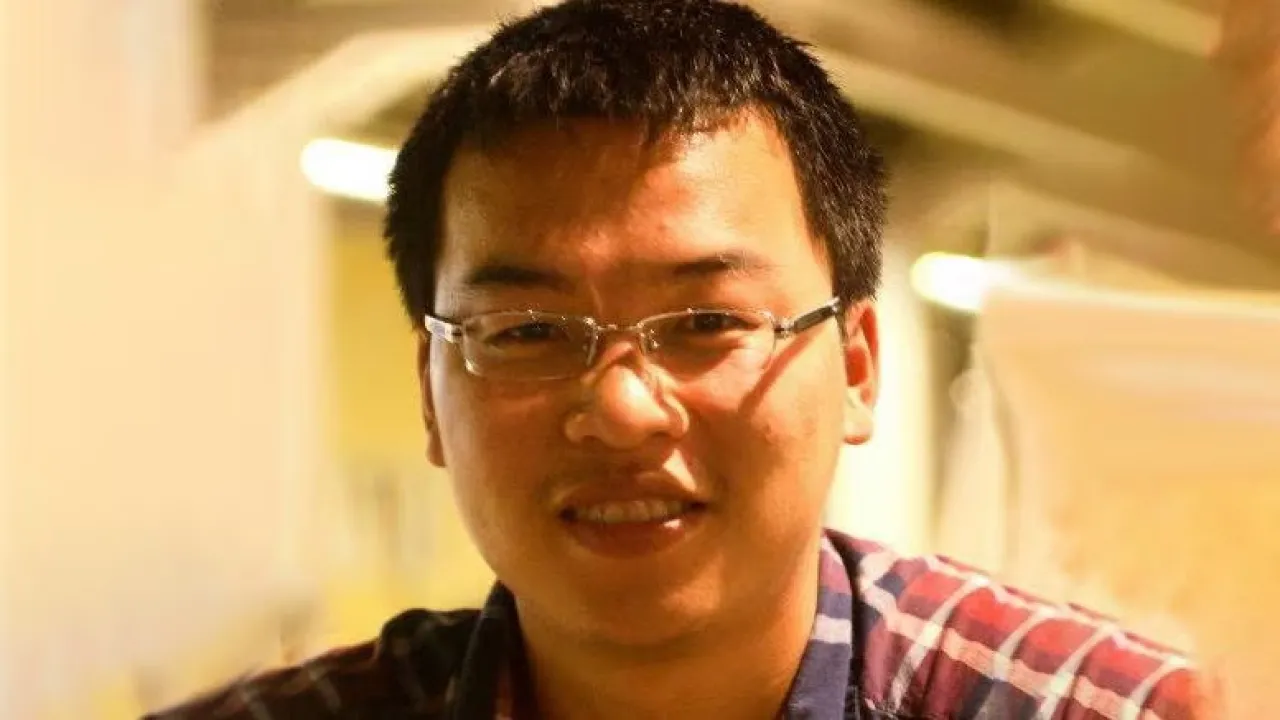
Jiawei Fei
- Ph.D. Student, Computer Science
Education
Biography
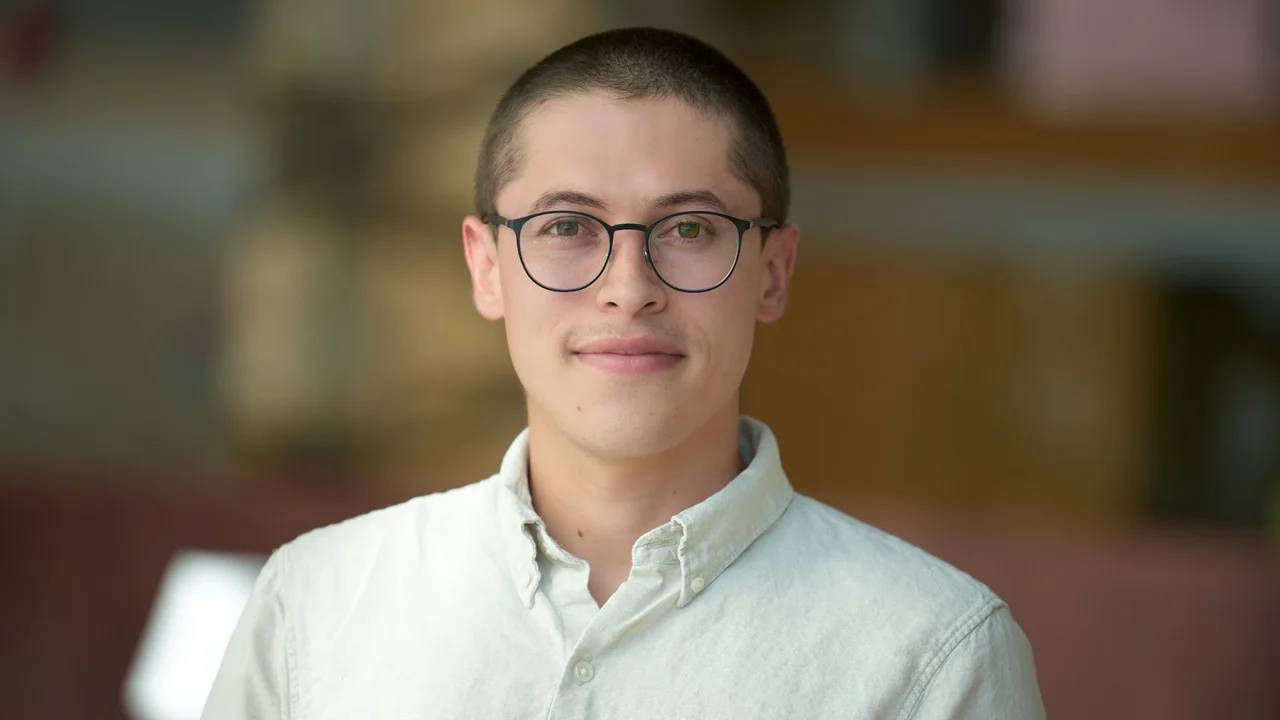
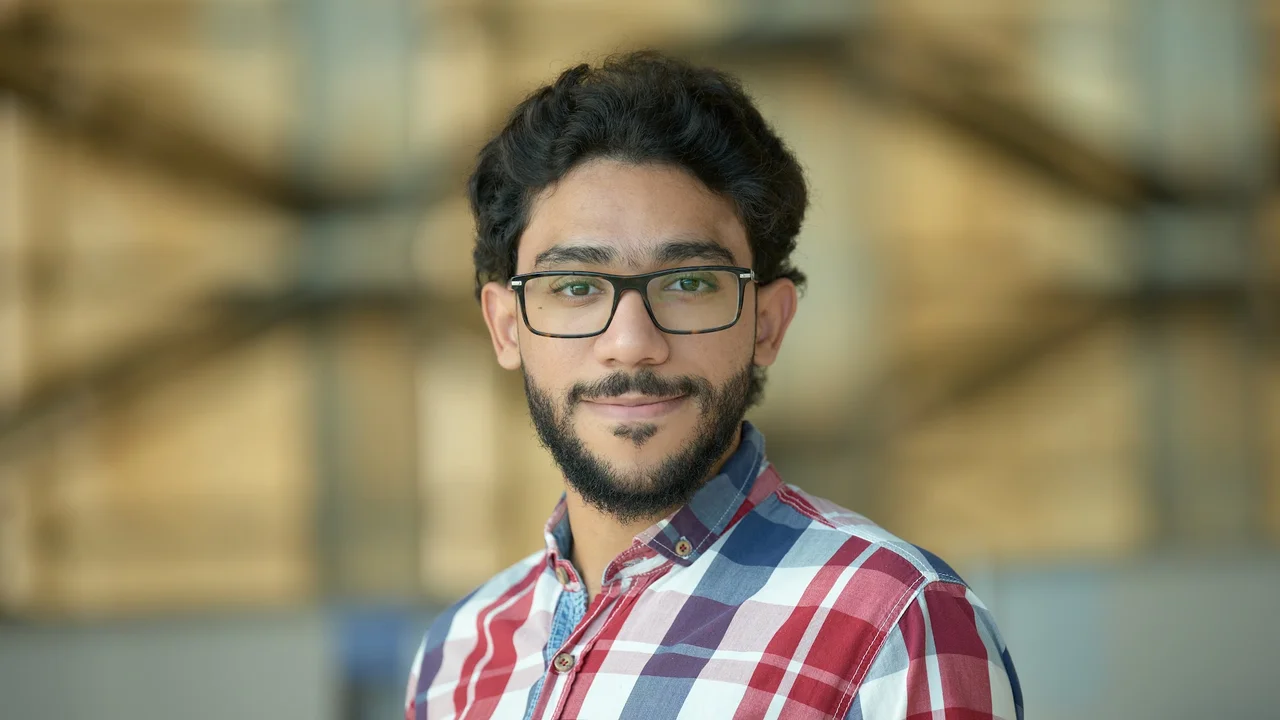
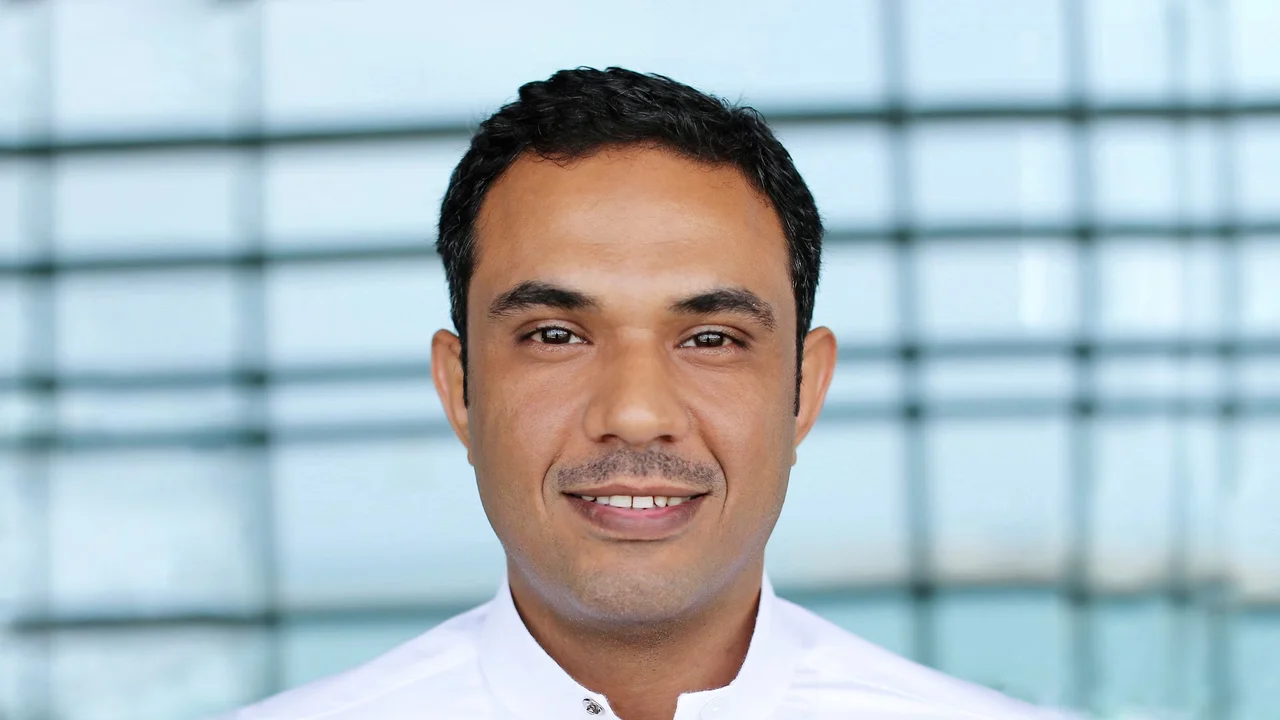
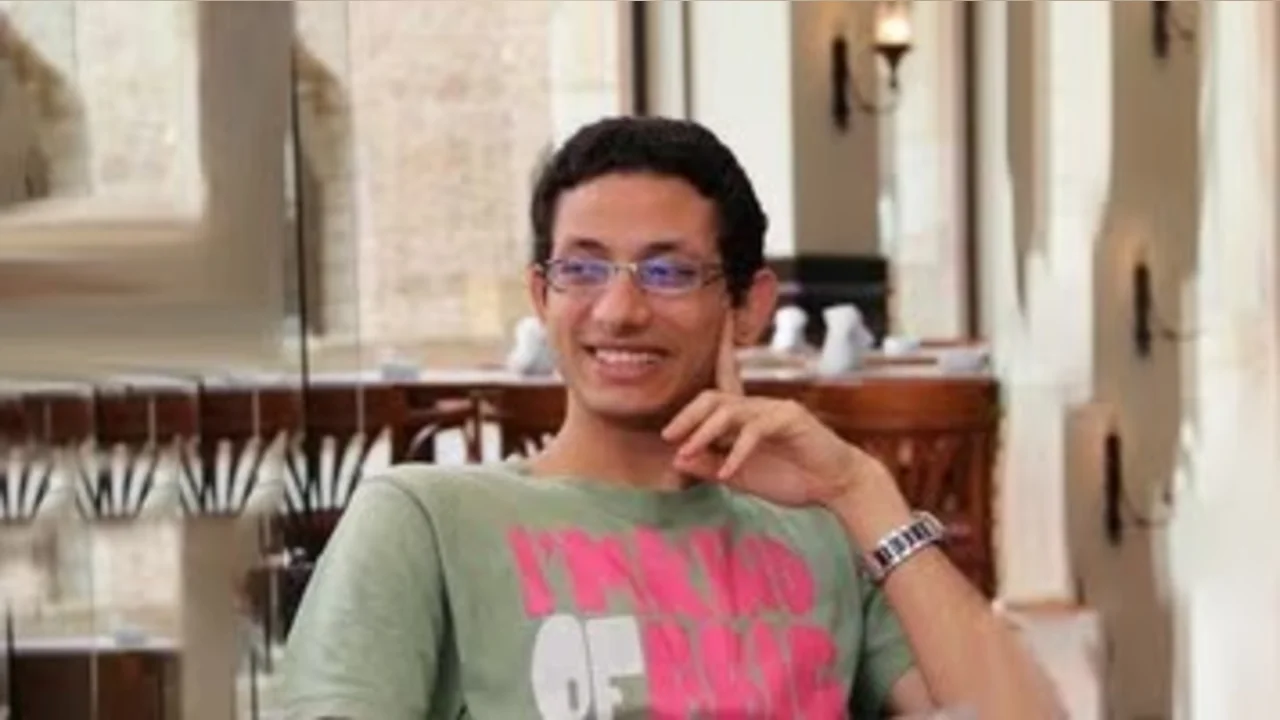
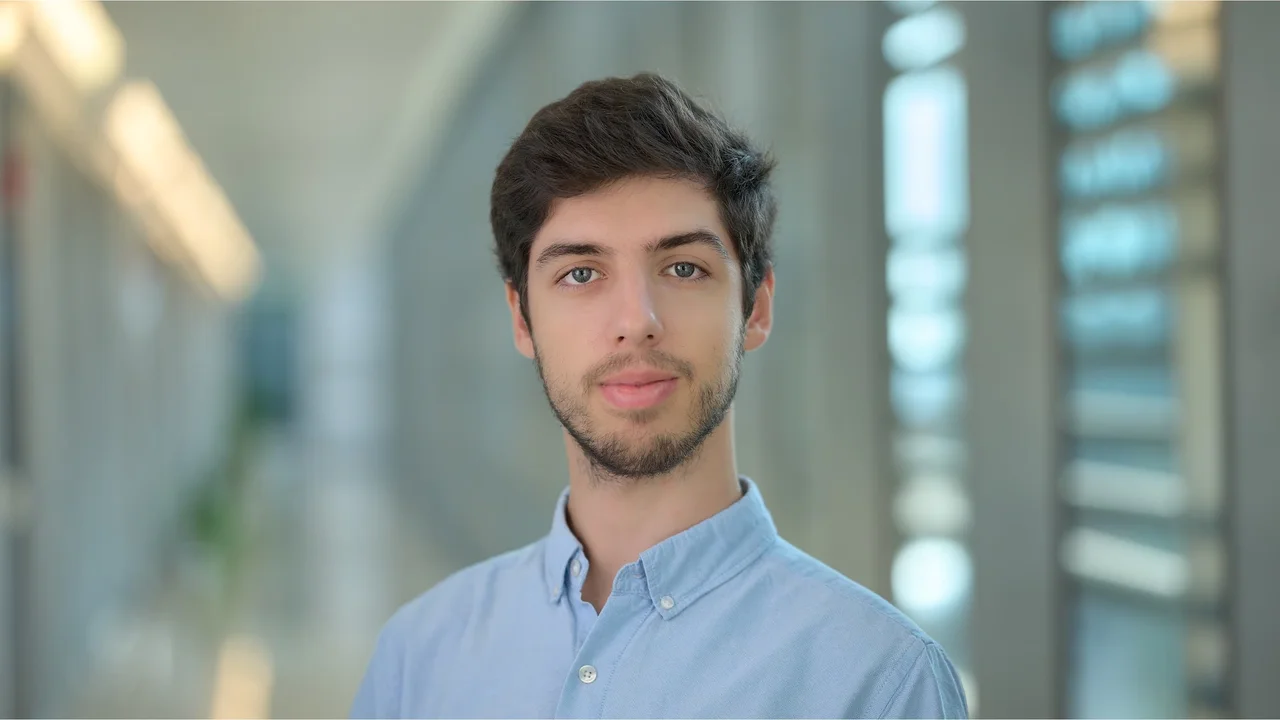
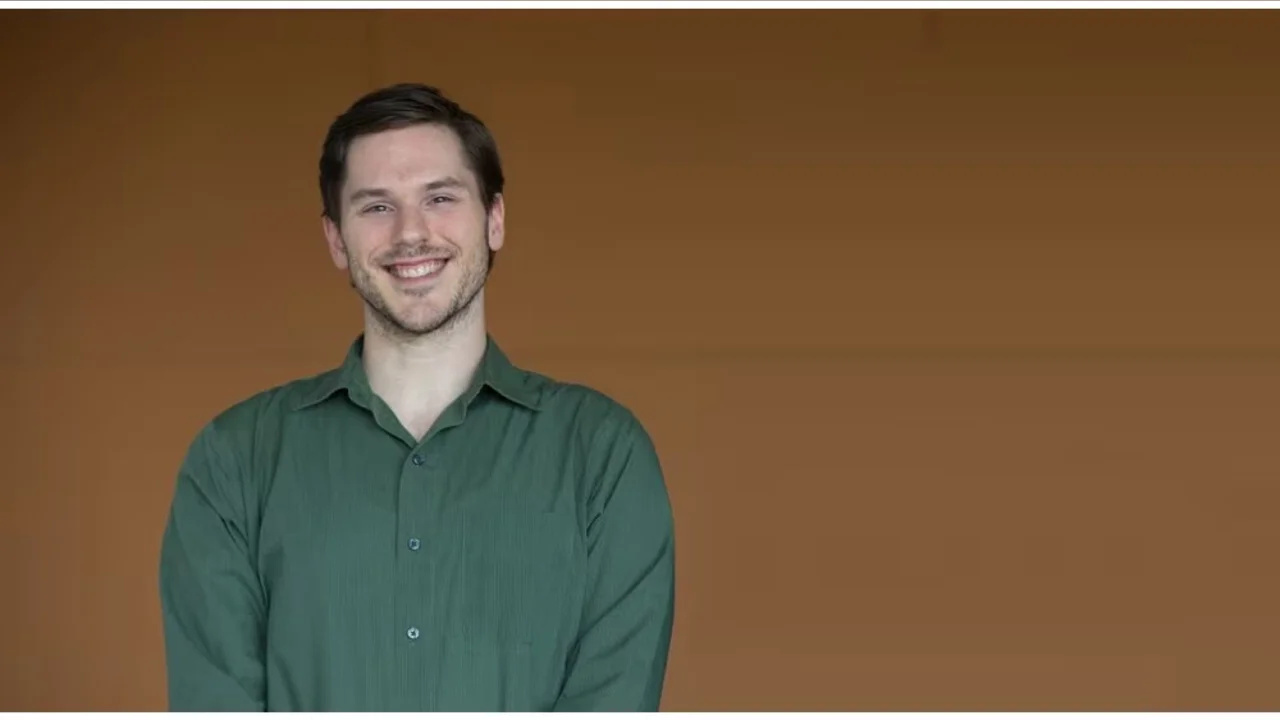
Kai Yi is a PhD candidate in Computer Science at King Abdullah University of Science and Technology (KAUST), supervised by Peter Richtarik and working in the Optimization and Machine Learning Lab. He earned his master’s degree in Computer Science at KAUST in 2021 under the supervision of Mohamed Elhoseiny. He completed his Bachelor of Engineering with honors at Xi’an Jiaotong University (XJTU) in 2019.
He has interned at several leading research institutions, including Sony AI, Vector Institute, Tencent AI Lab, CMU Xulab, NUS CVML Group, and SenseTime Research. His primary research focuses on centralized and federated LLM compression. His work is highly interconnected, featuring significant contributions such as the LLM post-training compression algorithms SymWanda and PV-Tuning (NeurIPS Oral); communication-efficient federated learning methods Cohort-Squeeze (NeurIPS-W Oral), FedP3 (ICLR), and EF-BV (NeurIPS); and multimodal language model projects DACZSL (ICCVW), HGR-Net (ECCV), and VisualGPT (CVPR).
He actively serves as a reviewer for leading journals, including TPAMI, IJCV, and TMC, as well as top conferences such as NeurIPS, ICLR, ICML, CVPR, ECCV, and ICCV.
Expertise and Interests
Kai Yi's primary research interest lies in centralized and federated LLM compression. My work is highly interconnected, featuring significant projects such as the LLM post-training compression algorithms SymWanda and PV-Tuning (NeurIPS Oral), with more on the way; communication-efficient federated learning methods CohortSqueeze (NeurIPS-W Oral), FedP3 (ICLR), and EF-BV (NeurIPS); and multimodal language model projects DACZSL (ICCVW), HGR-Net (ECCV), and VisualGPT (CVPR). His research interests include:
- Machine learning optimization in the large-scale data/model era.
- Conceptual-level knowledge transfer learning: theories and applications.
Specifically, he works on machine learning optimization, federated learning, and zero-shot learning. He is particularly interested in accelerated local training methods and personalized federated learning in data and system heterogeneity.
Education
Biography
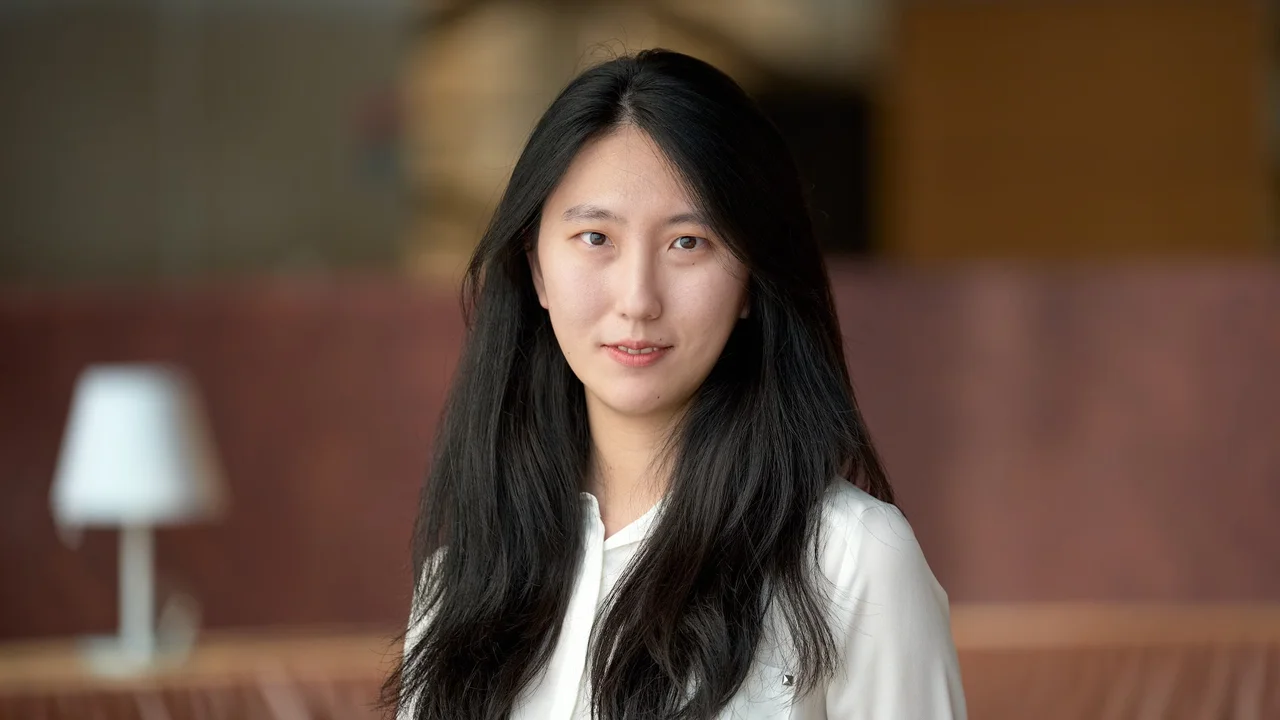
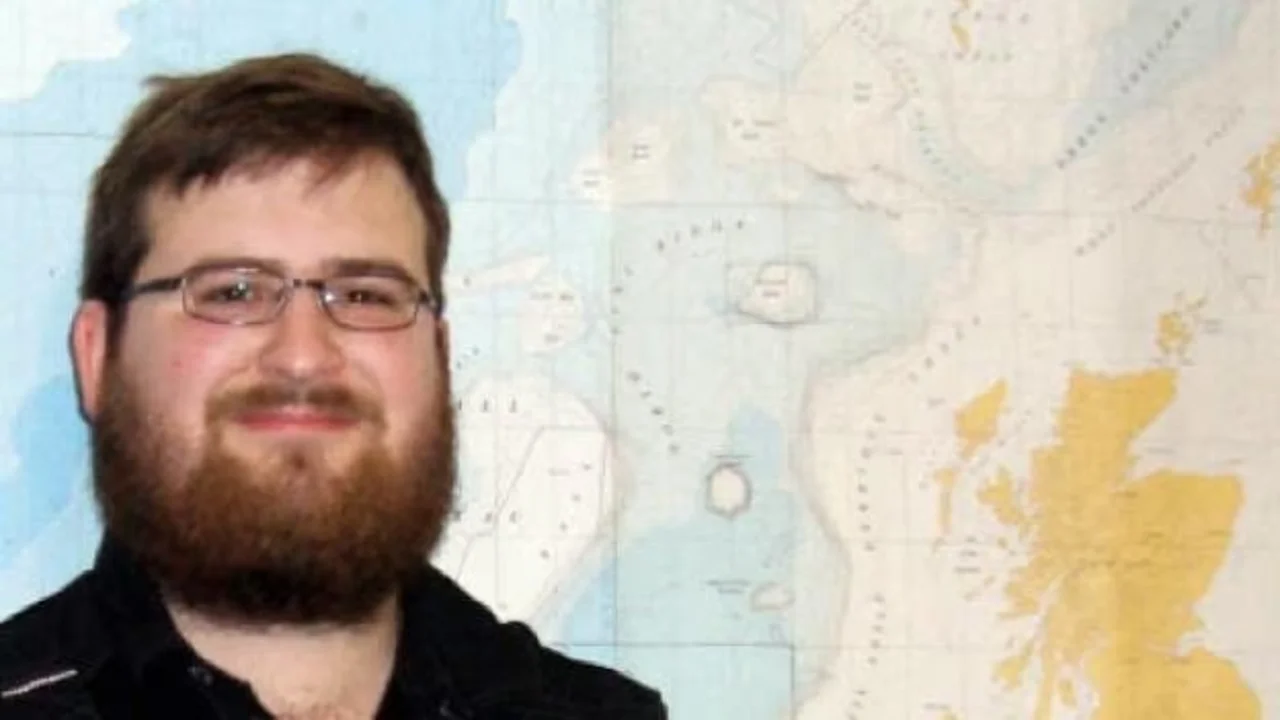
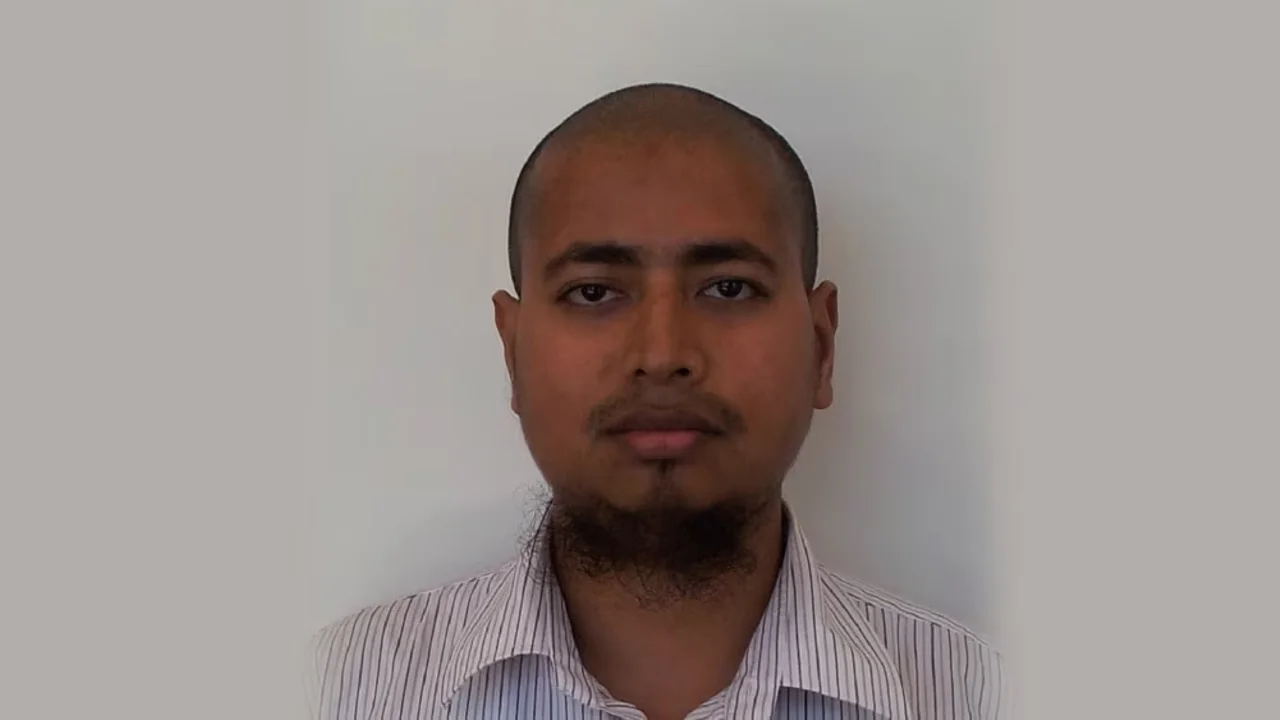
He completed his undergraduate studies in Computer Science and Engineering at Sejong University in South Korea. He then pursued a master’s degree in Computer Science at KAUST under the supervision of Prof. Mohamed Elhoseiny, focusing on machine learning and generative models. Building on this foundation, he continued into the PhD program at KAUST, where his research now spans affective vision–language modeling, generative AI, and Neuroscience + AI.
Expertise and Interests
His research focuses on affective vision–language modeling, generative AI, and the integration of Neuroscience with machine learning. He works on multimodal emotion understanding, interpretable generative models, and EEG-based neural signal modeling, aiming to build human-centered AI systems that connect perception, affect, and computational intelligence.
Education
Malek A. Mahayni
- M.S. Student, Computer Science
Biography
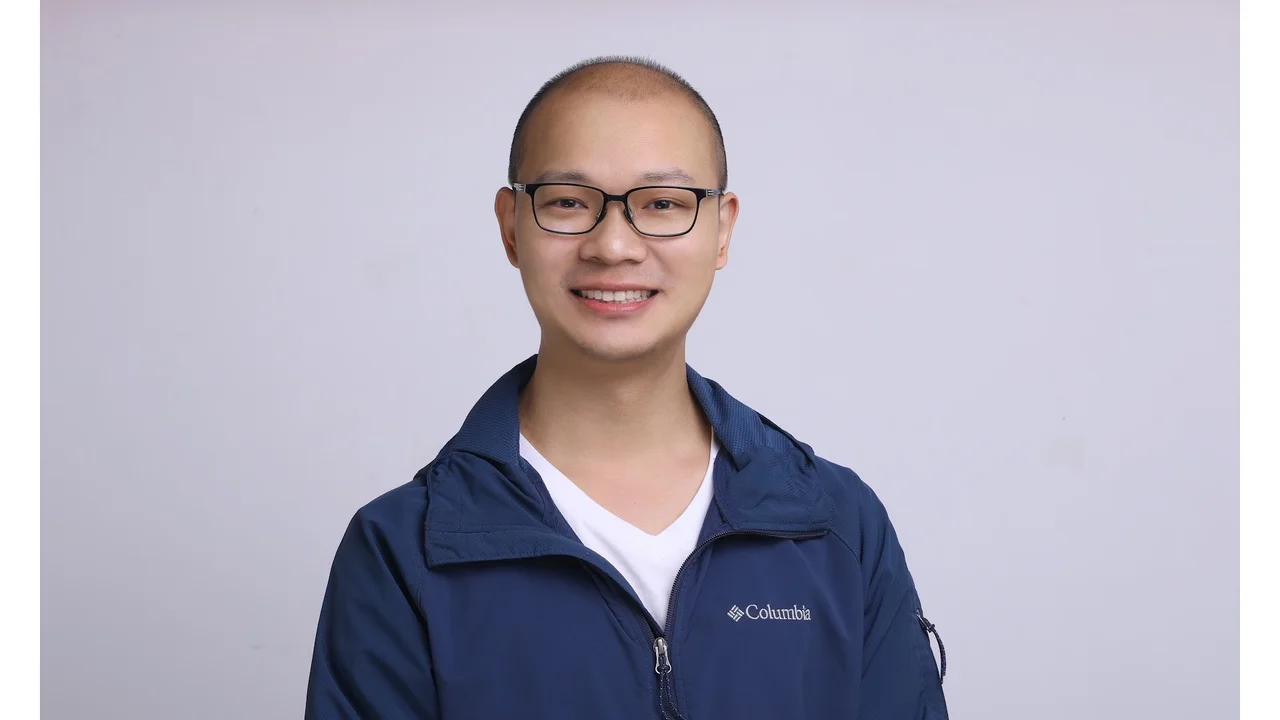
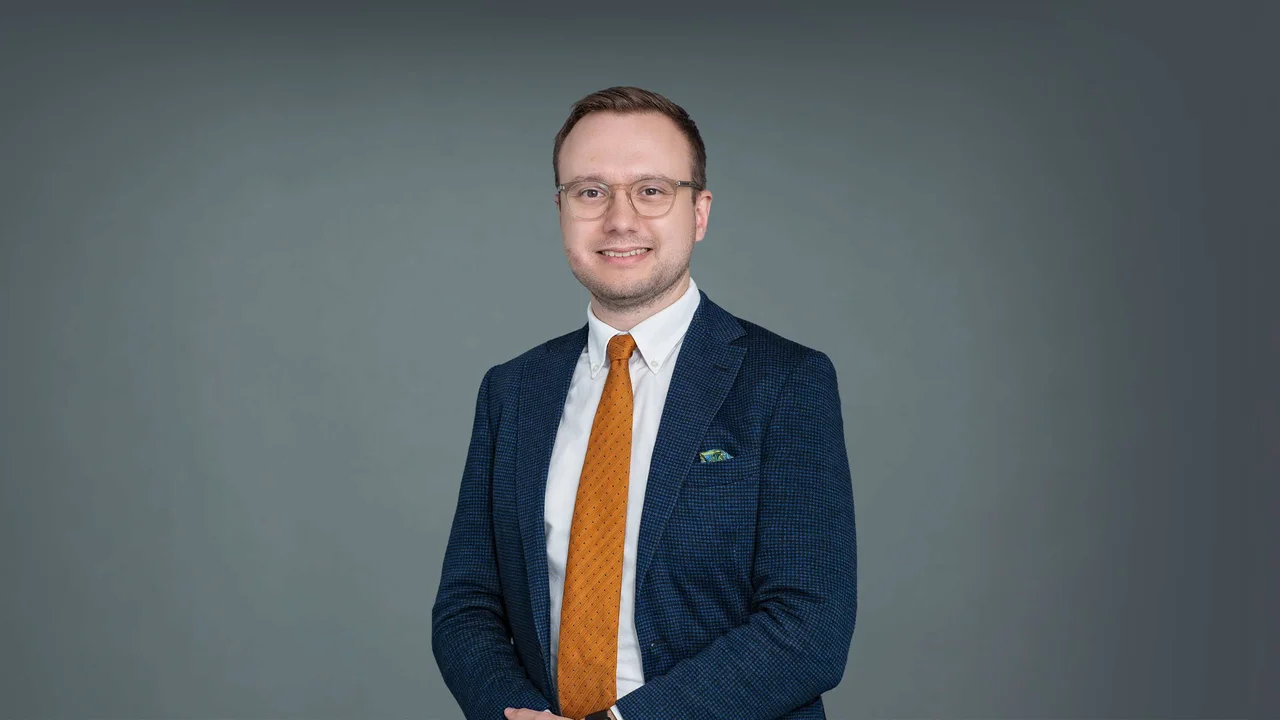
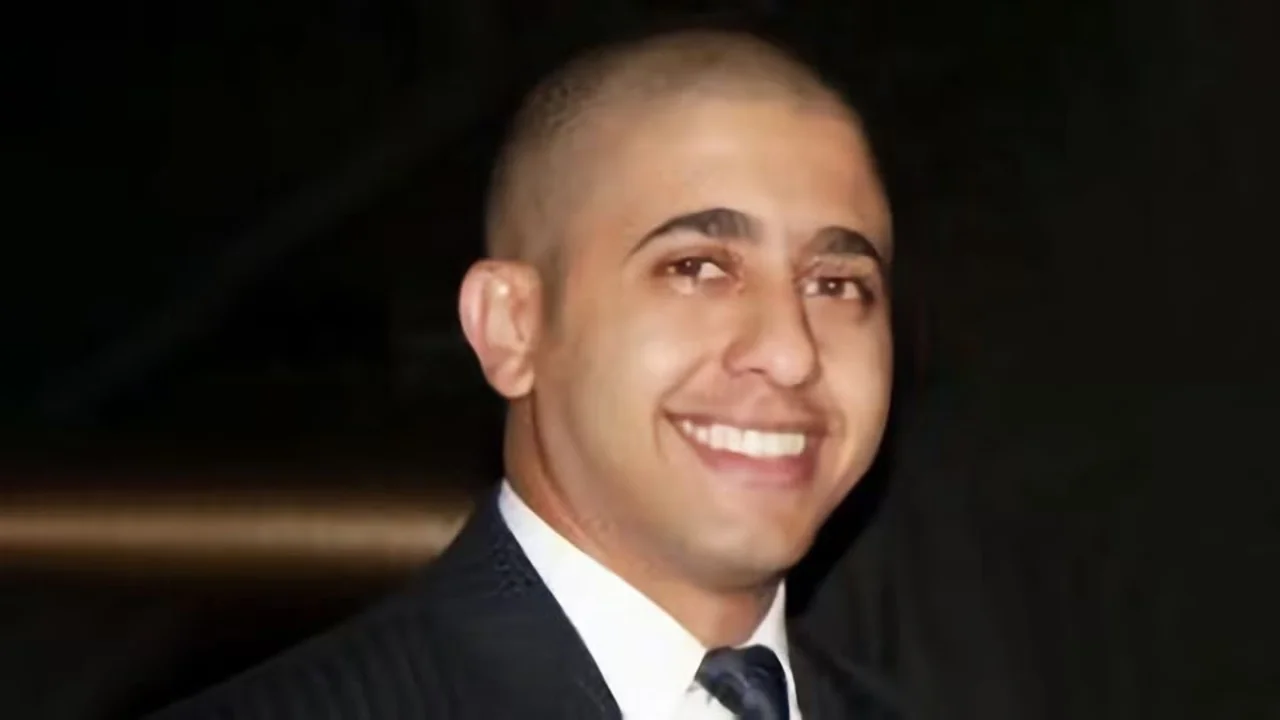
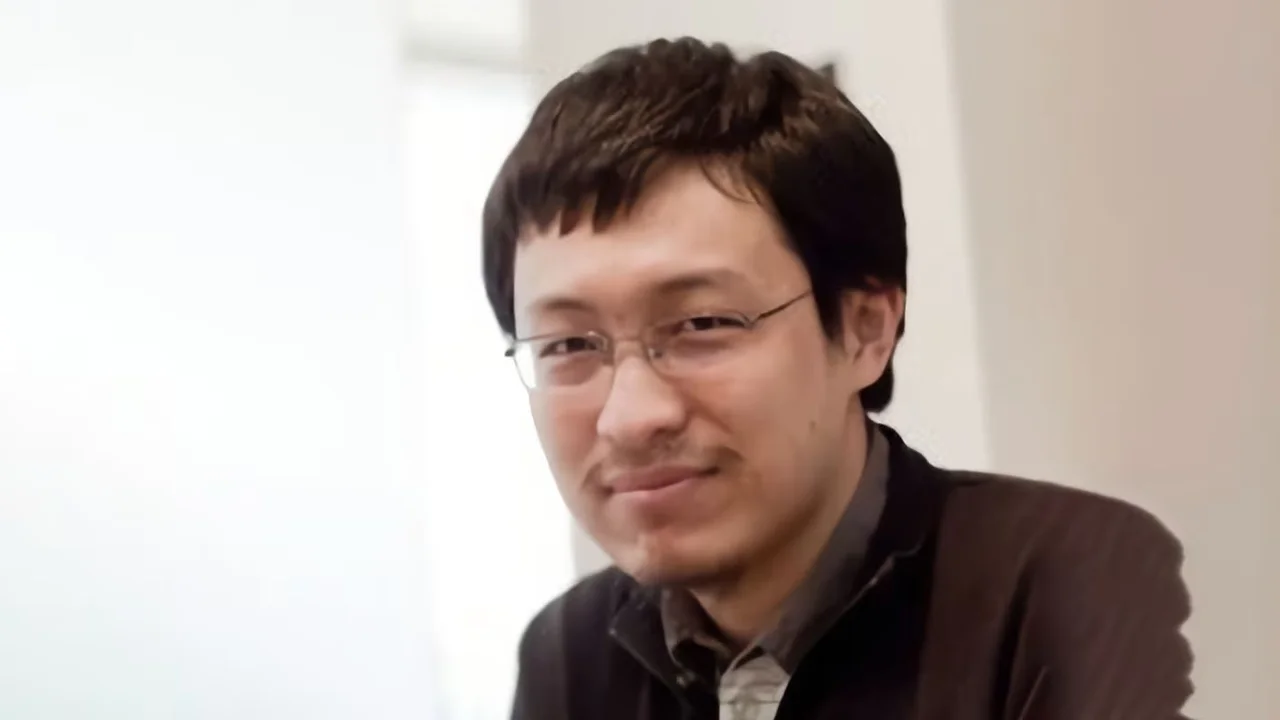
Michal A. Mankowski completed his Ph.D. in Computer Science at KAUST in 2020 and was a postdoctoral research fellow in the TREES research group. He is currently an assistant professor in the Department of Surgery at NYU Grossman School of Medicine, where his research focuses on data-driven approaches to organ transplantation and healthcare systems.
Expertise and Interests
Michal's research focuses on the intersection of theoretical computer science and applied data science, specifically addressing optimization challenges within complex systems.
Education
Biography
Michał Forystek received his B.Sc. degree in Information and Communication Technology from AGH University of Science and Technology in Kraków, Poland, in 2023.
He has a 2 years of experience as a Java Developer working for IG Group in Kraków.
Currently he is a Computer Science Master's student at the Secure Next Generation Resilient Systems Lab (SENTRY) under the supervision of Professor Charalambos Konstantinou.
Expertise and Interests
Michał's research involves using Load Altering Attacks to exploit the Load Frequency Control in Power Systems and developing the appropriate countermeasures.
Education
Monther Ibrahim Busbait
- M.S. Student, Computer Science
Biography
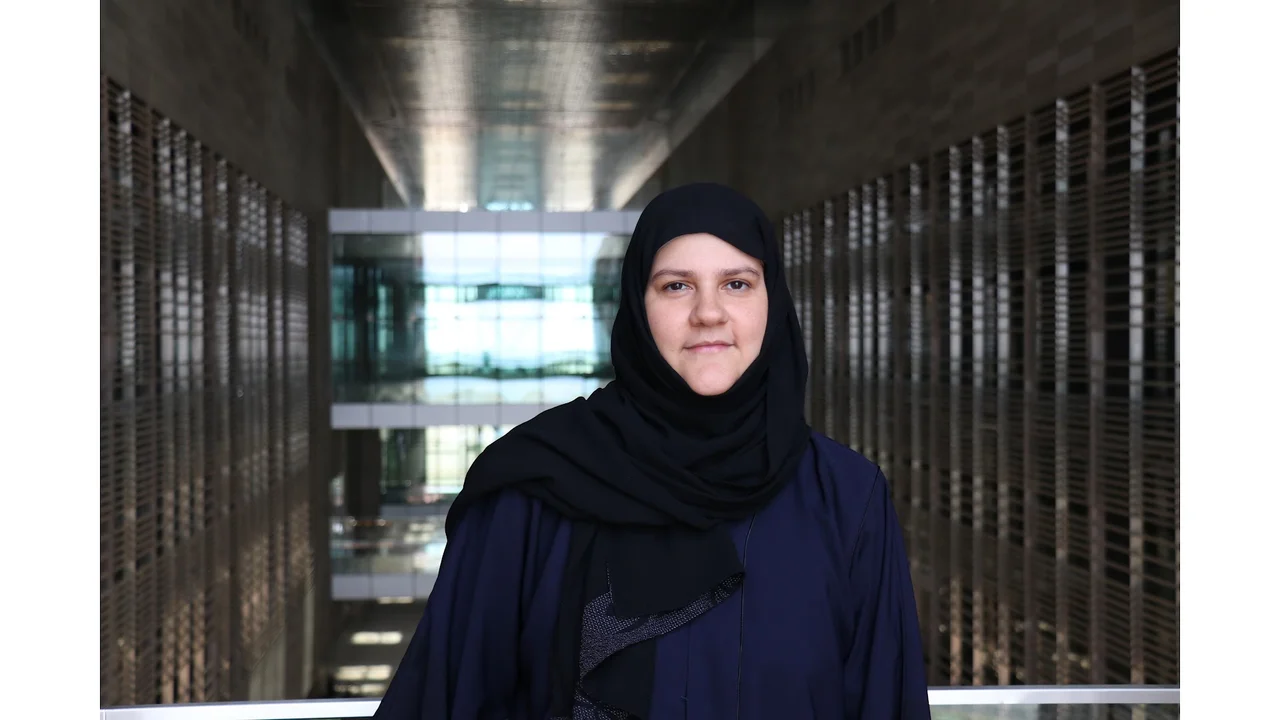
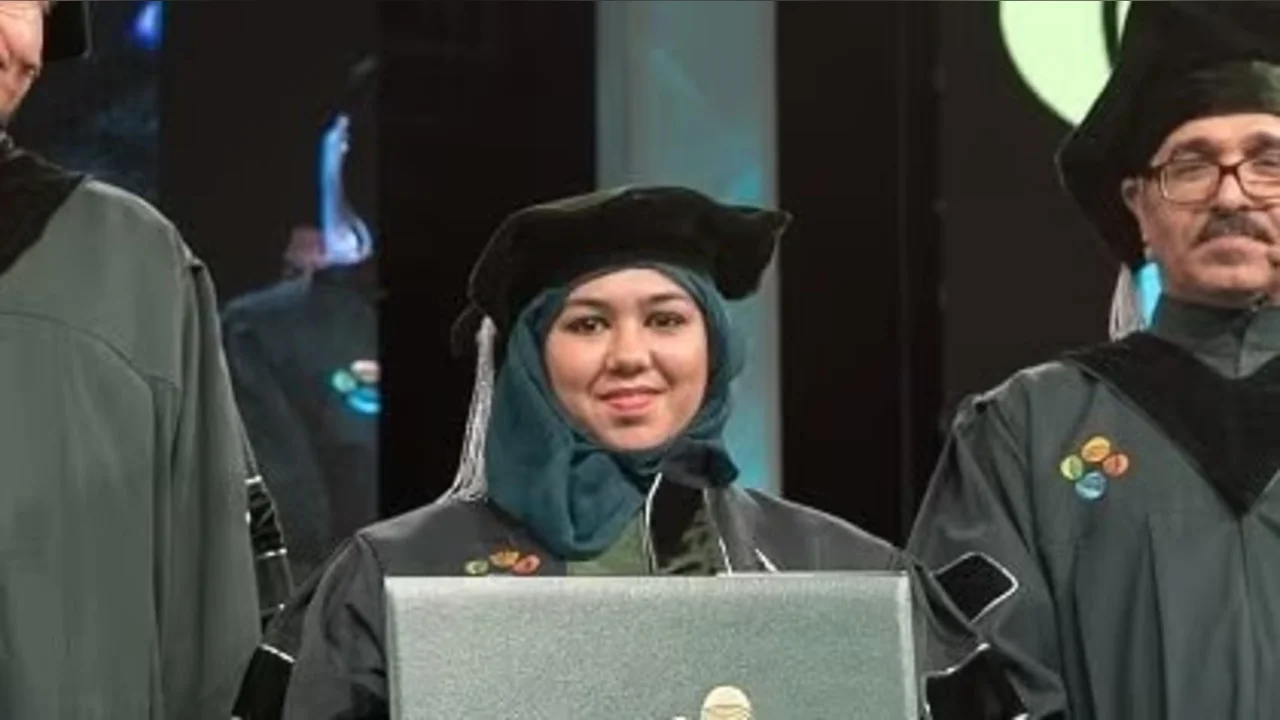
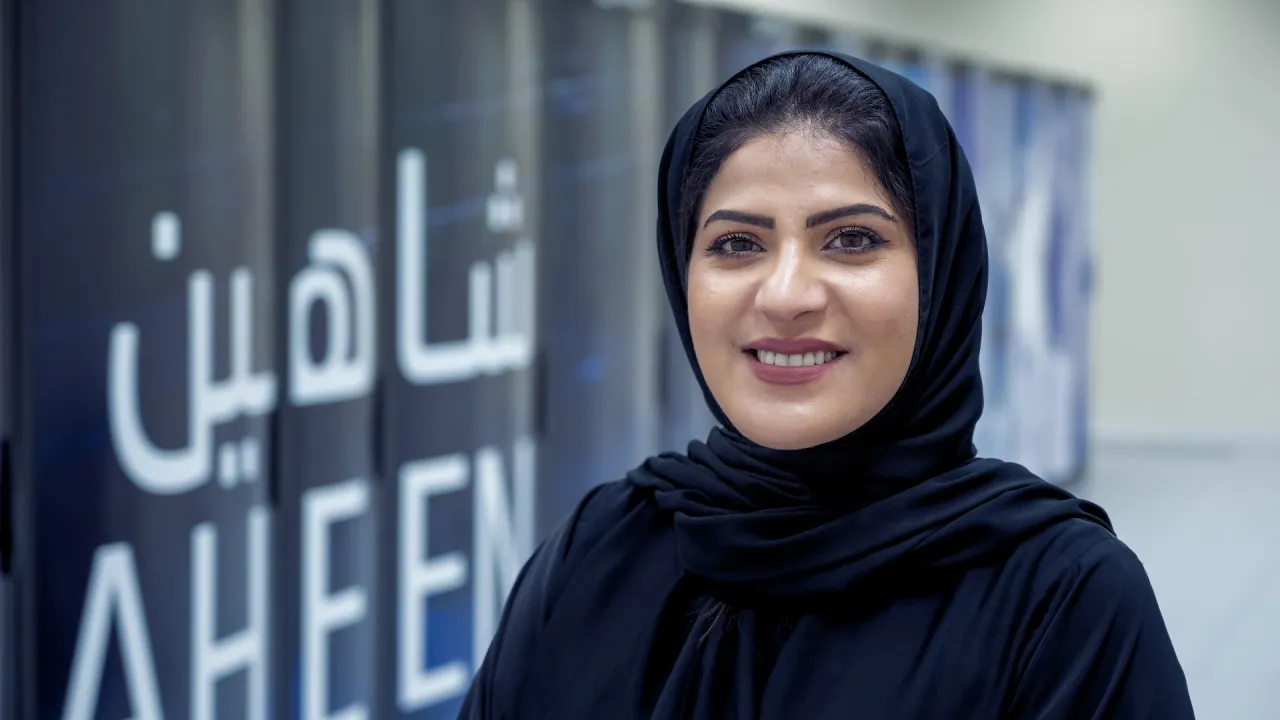
Dr. Rabab Alomairy is an Ibn Rushd Assistant Professor of Computer Science at King Abdullah University of Science and Technology (KAUST). Her research is rooted in high-performance computing (HPC) and focuses on the co-design of algorithms, software, and hardware-aware systems for next-generation AI and scientific computing infrastructure. Her work spans task-based numerical libraries, GPU programming, scalable runtime systems, mixed-precision computing, efficient AI inference, and AI-accelerated scientific applications. Through her work, she develops scalable and efficient computing technologies that improve performance, memory efficiency, and system utilization on modern multicore, many-core, and accelerator-based architectures. Her broader goal is to enable practical, efficient, and scalable computing systems that accelerate scientific discovery and support national-scale AI innovation.
Dr. Alomairy has collaborated with leading research institutions and industry partners, including the Massachusetts Institute of Technology (MIT) through JuliaLab, NVIDIA, Oak Ridge National Laboratory (ORNL), the Innovative Computing Laboratory (ICL) at the University of Tennessee, and MINES ParisTech. During an internship at the University of Tennessee, she contributed to the U.S. Department of Energy-funded SLATE project, advancing next-generation numerical software for high-performance computing. She later joined MIT JuliaLab, where she worked on high-performance computing, task-based runtimes, GPU-accelerated numerical libraries, and AI-driven scientific computing applications. Through these collaborations, she has contributed to the development of scalable software and algorithms for next-generation AI and scientific computing systems.
In recognition of her research contributions, Dr. Alomairy was named a Rising Star in Computational and Data Sciences by the U.S. Department of Energy in 2022. She also led the first Julia tutorial for productive HPC at the Supercomputing Conference. Her work has scaled across some of the world's most powerful supercomputers and has received international recognition, including finalist honors for the ACM Gordon Bell Prize (2020), the Gauss Award and the IEEE Computer Society Technical Community on High Performance Computing (TCHPC) Early Career Researchers Award for Excellence in High Performance Computing (2025).
Before joining the KAUST faculty, Dr. Alomairy was a postdoctoral fellow at MIT’s JuliaLab and a recipient of the KAUST Ibn Rushd Fellowship. She also served as Senior AI Expert at Tahakom Saudi company, where she led initiatives in AI infrastructure, distributed AI systems, and sovereign AI technologies, helping bridge cutting-edge research with large-scale industrial deployment. A KAUST alumna, she earned both her M.S. and Ph.D. in Computer Science under the supervision of Professor David E. Keyes and Senior Research Scientist Hatem Ltaief.
Dr. Alomairy continues to advance sustainable high-performance computing while fostering interdisciplinary collaboration at the intersection of HPC and artificial intelligence, translating cutting-edge computational methods into solutions for real-world scientific challenges.
Expertise and Interests
- High-performance computing for AI and scientific applications
- Co-design of algorithms, software, and hardware-aware systems
- Task-based numerical libraries and applications
- Dense linear algebra and scalable numerical algorithms
- GPU programming and accelerator-based computing
- AI infrastructure and large-scale AI systems
- Mixed-precision computing and numerical performance
Education
Rawan Albakri
- M.S. Student, Computer Science