
Profiles
Former Members
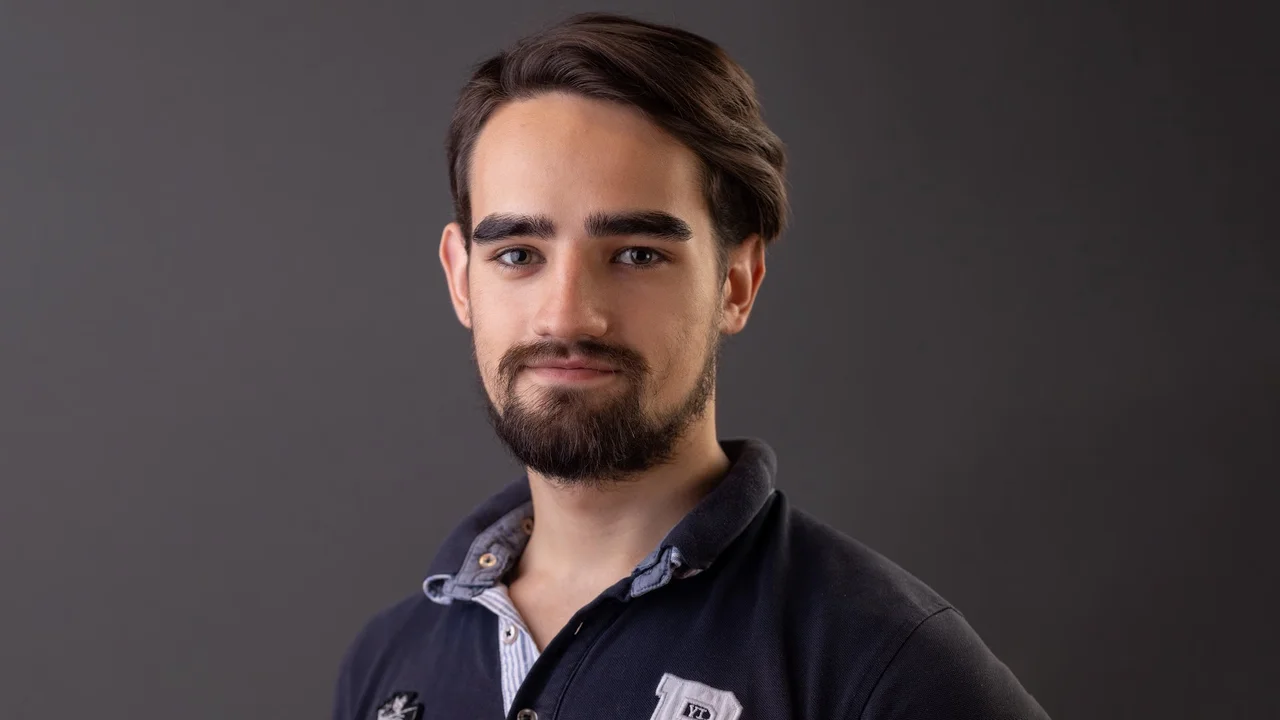

Kamran Jamshaid
- Postdoctoral Research Fellow, Networking Research Lab
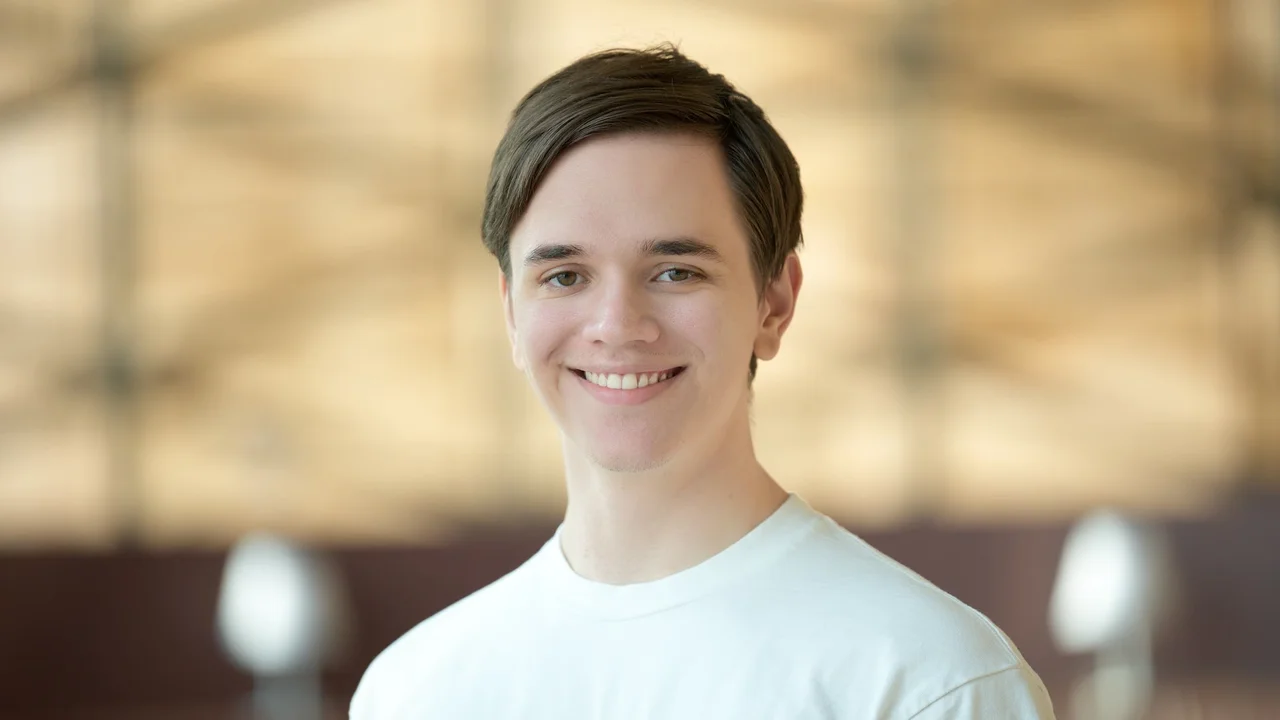
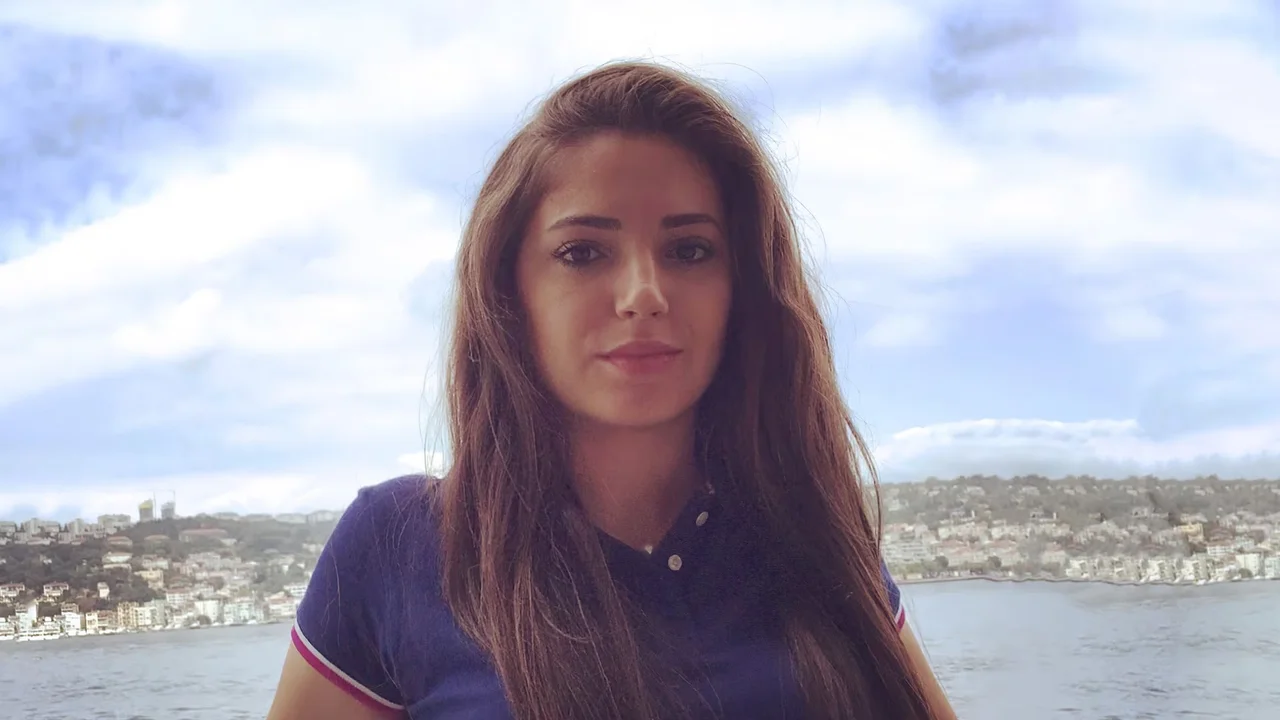
Li Xia
- Postdoctoral Research Fellow, Networking Research Lab
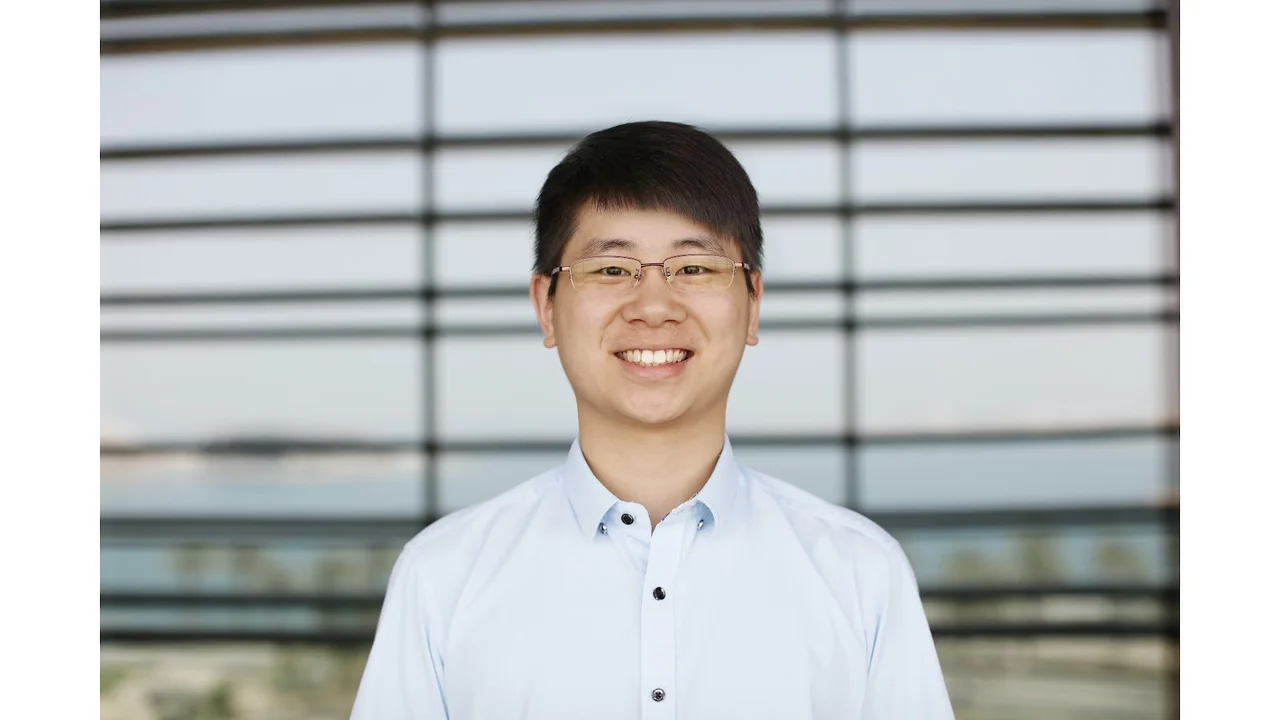
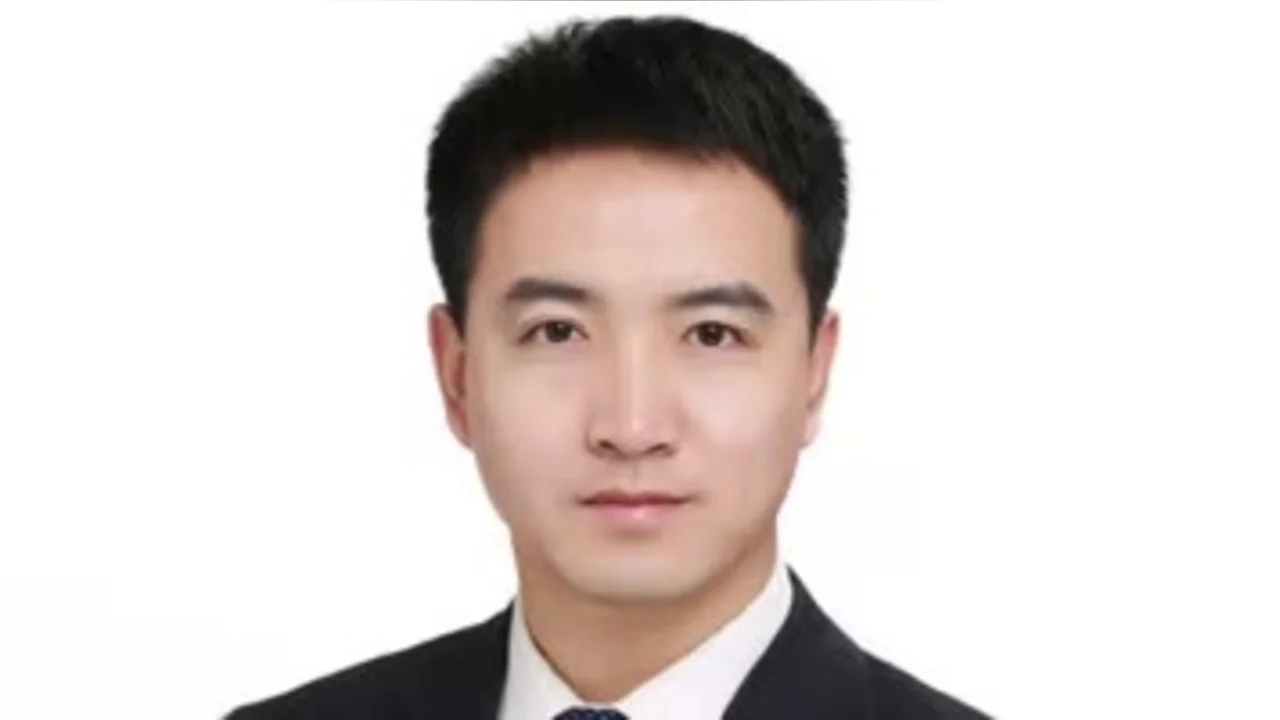
Lizhong Ding
- Postdoctoral Research Fellow, Structural and Functional Bioinformatics

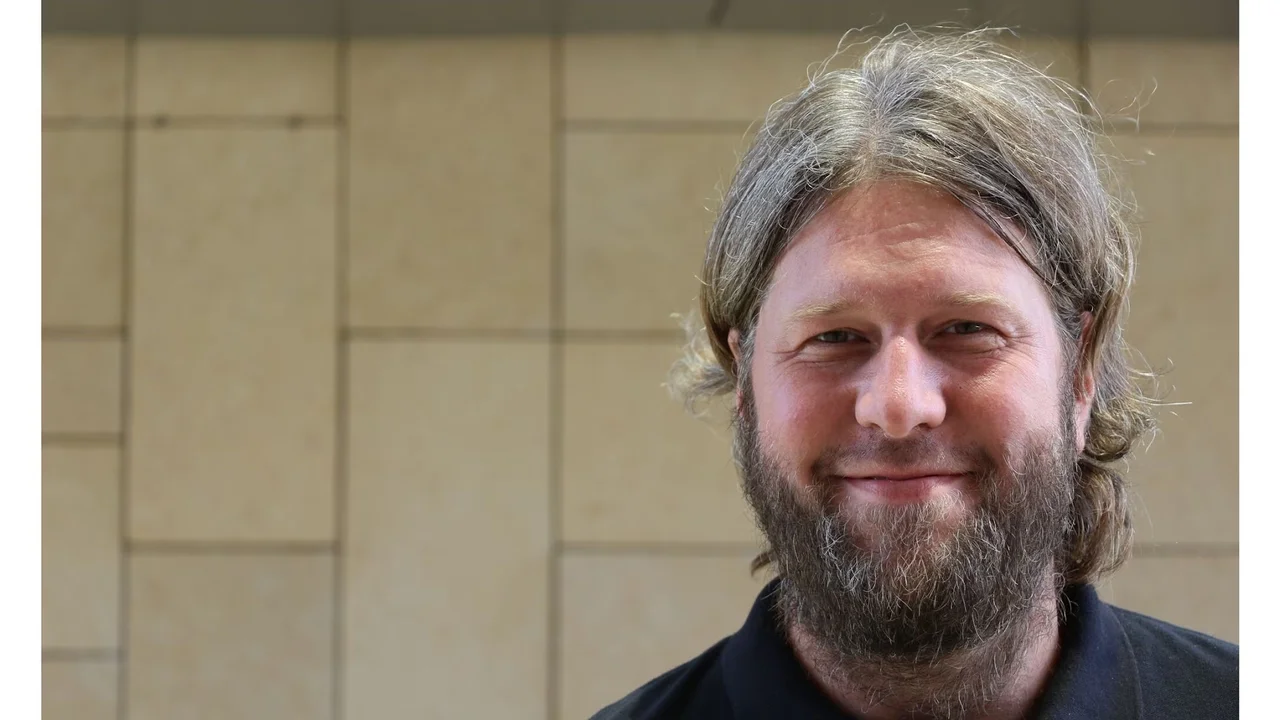
Matej Mlejnek
- Research Scientist, Computer Science
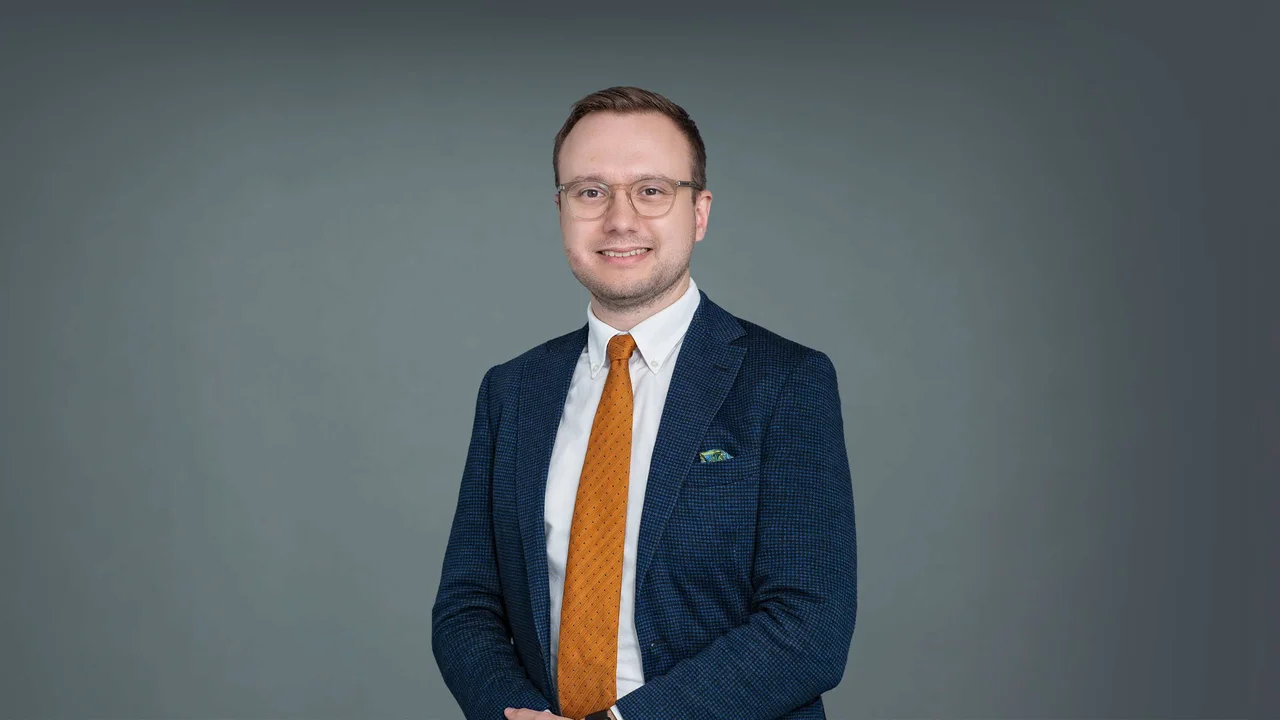
Biography
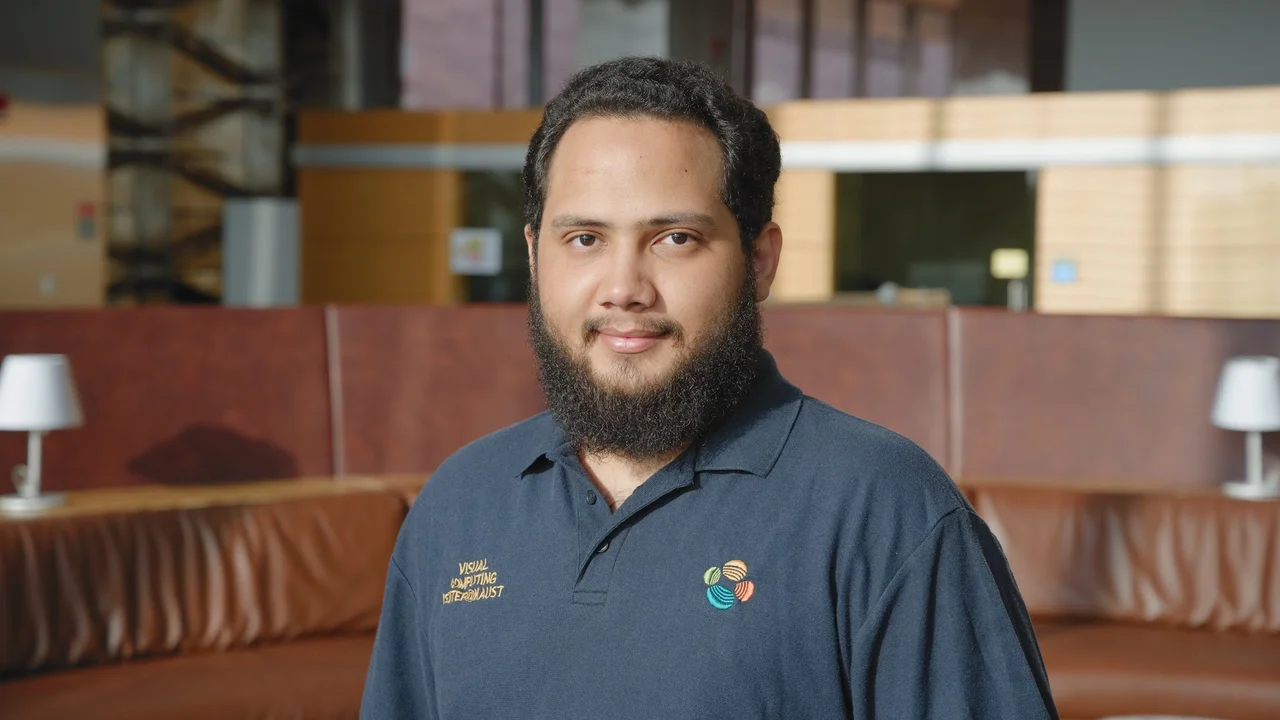
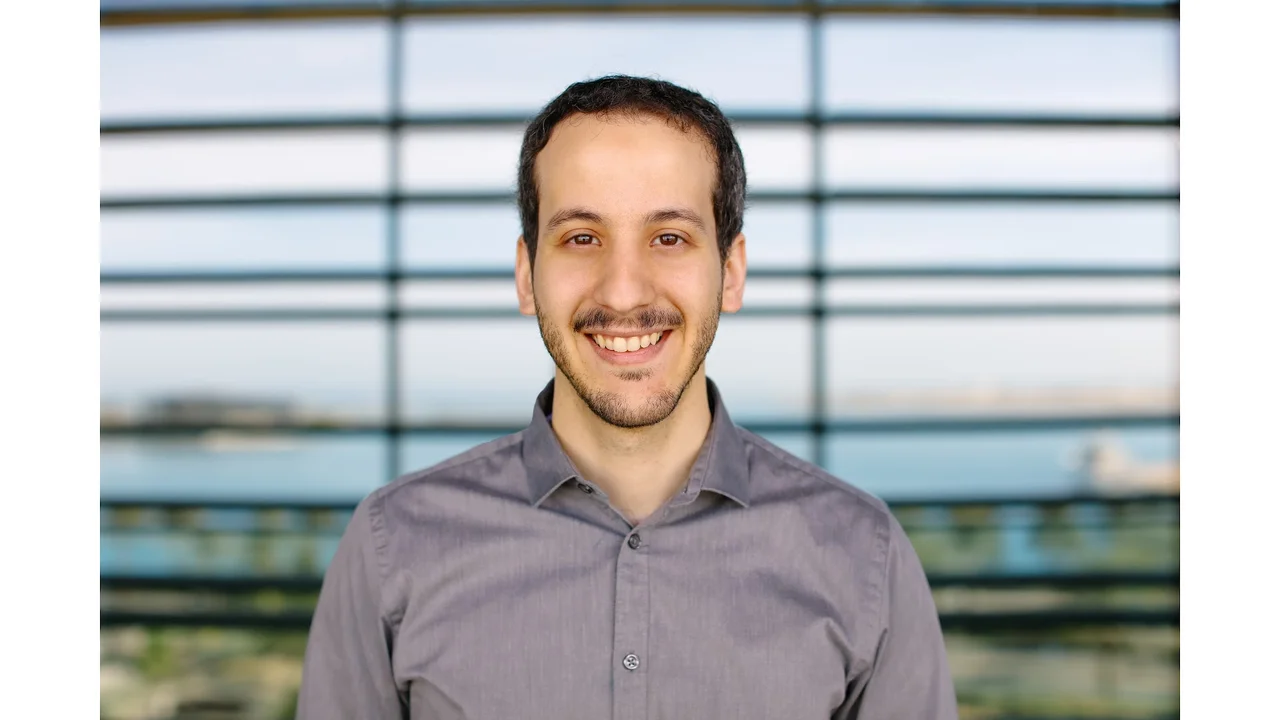
Michal A. Mankowski completed his Ph.D. in Computer Science at KAUST in 2020 and was a postdoctoral research fellow in the TREES research group. He is currently an assistant professor in the Department of Surgery at NYU Grossman School of Medicine, where his research focuses on data-driven approaches to organ transplantation and healthcare systems.
Expertise and Interests
Michal's research focuses on the intersection of theoretical computer science and applied data science, specifically addressing optimization challenges within complex systems.
Education
Mohamed Hassan
- Postdoctoral Research Fellow (former), Computer Science
Education
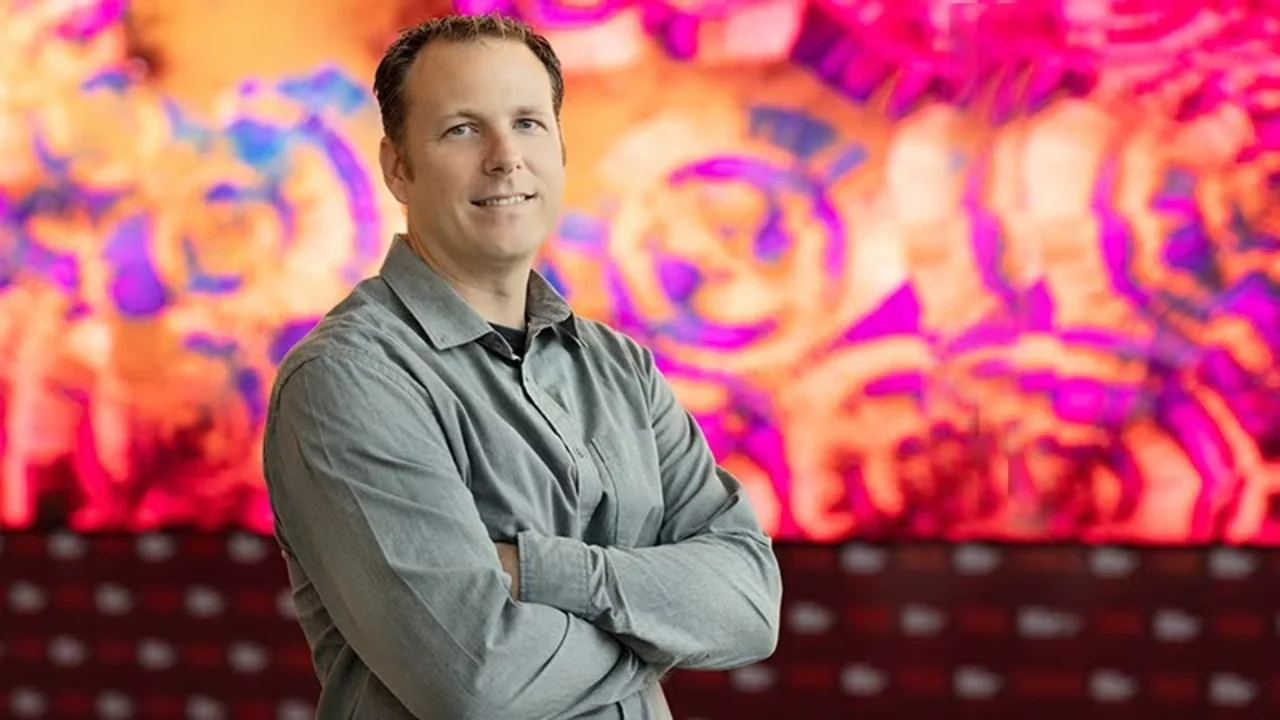
Neil Smith
- Research Scientist, Computer Science
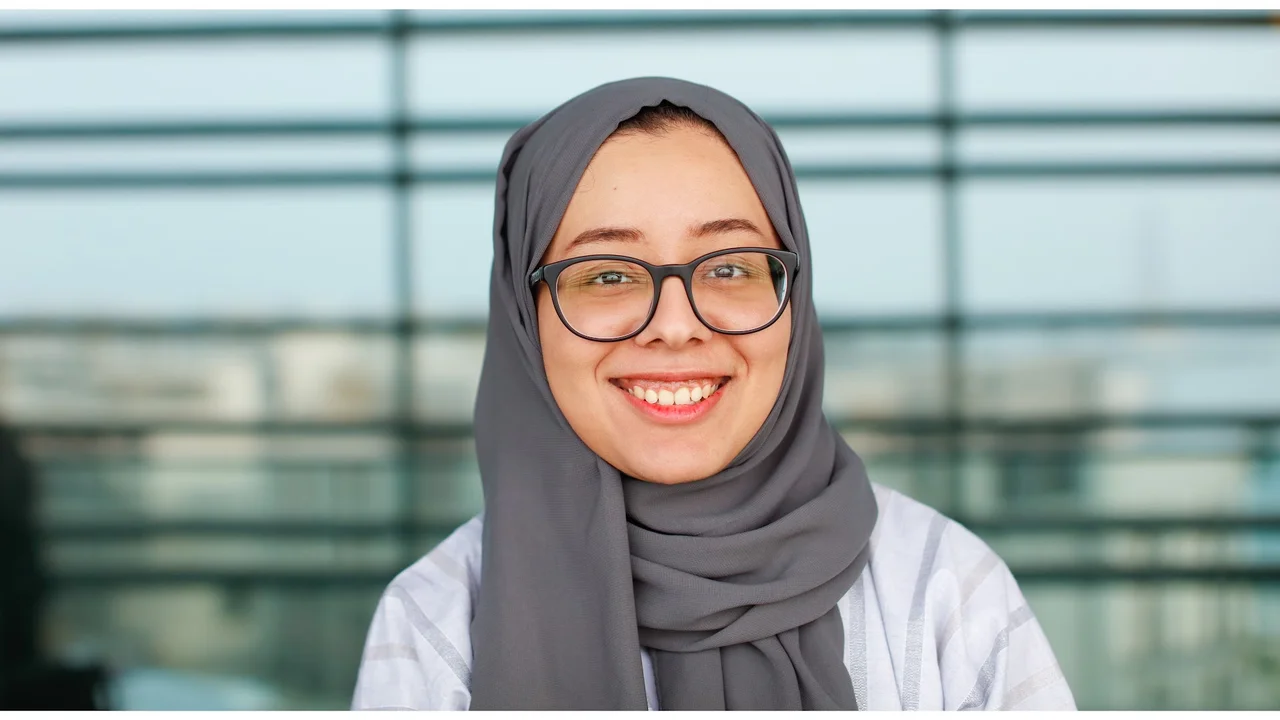
Peng Yang
- Postdoctoral Research Fellow, Structural and Functional Bioinformatics
Rawan Albakri
- M.S. Student, Computer Science
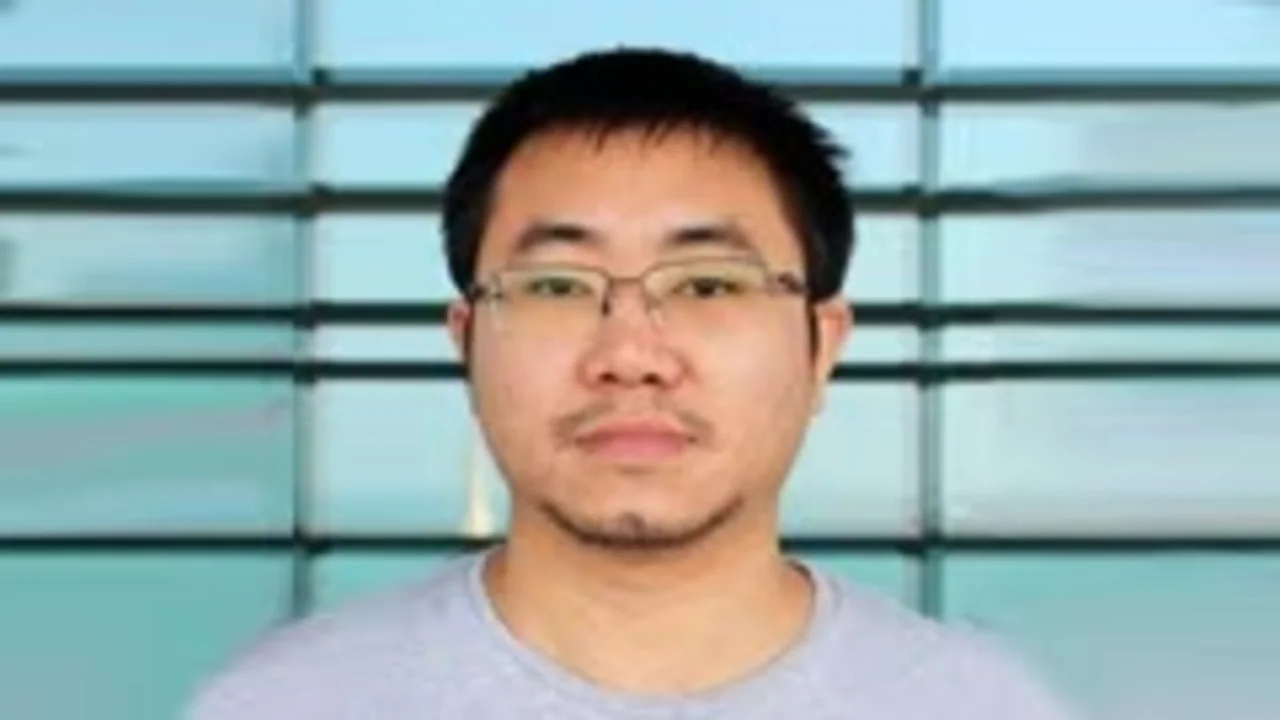
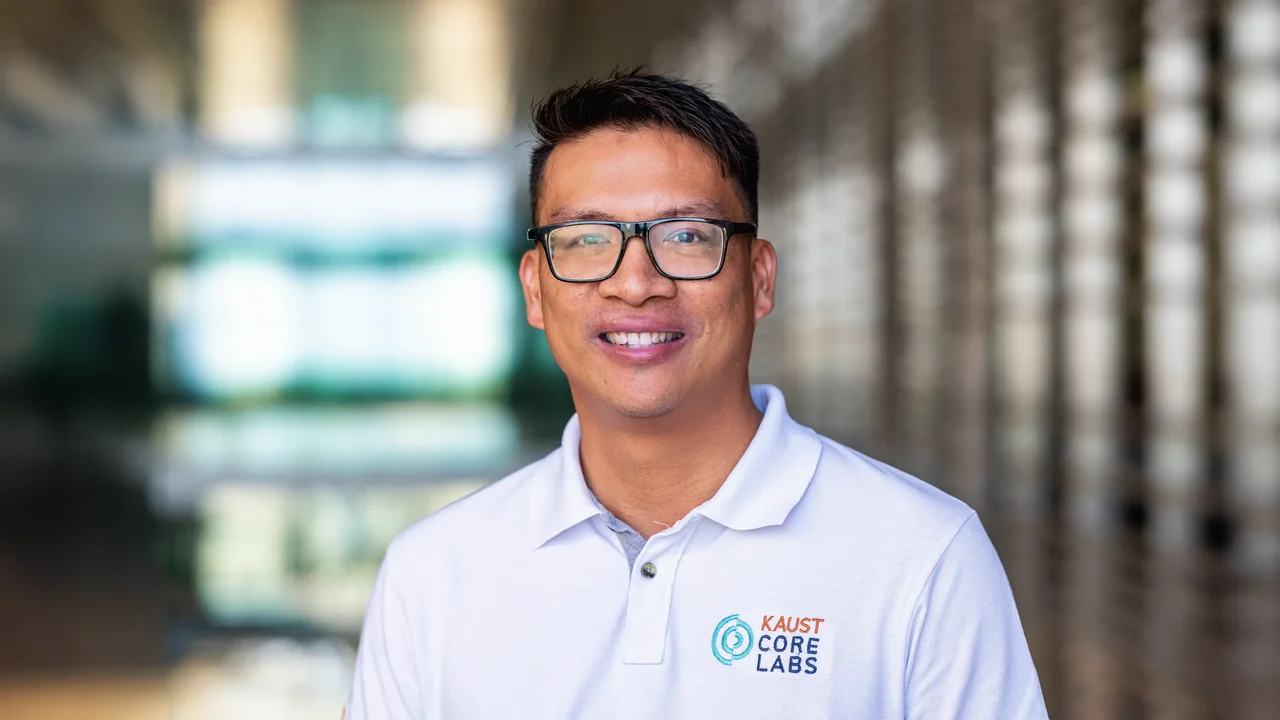
Ronell Sicat
- Visualization Scientist, Core labs and Research Infrastructure
Biography
Dr. Sicat obtained his bachelor degree in Electronics and Communications Engineering from Ateneo de Manila University in Philippines in 2008. After graduating, he worked as a Research Assistant and Lecturer for almost a year before joining KAUST to receive his master degree in Electrical Engineering and his Ph.D. in Computer Science.
Afterward, he worked as a Postdoctoral Fellow at Visual Computing Center (VCC) in KAUST. He left KAUST to join Harvard University as a Postdoctoral Researcher, until he returned to KAUST in 2019 as a Research Scientist to continue his research journey.
Expertise and Interests
His main research interests are large-scale data visualization and analysis, immersive analytics, and computer graphics. He develops multi-resolution representations and algorithms for large-scale gigapixel images, and 3D volumes. He also develops visualization tools and techniques for augmented and virtual reality environments towards novel ways of experiencing and understanding data.
Education
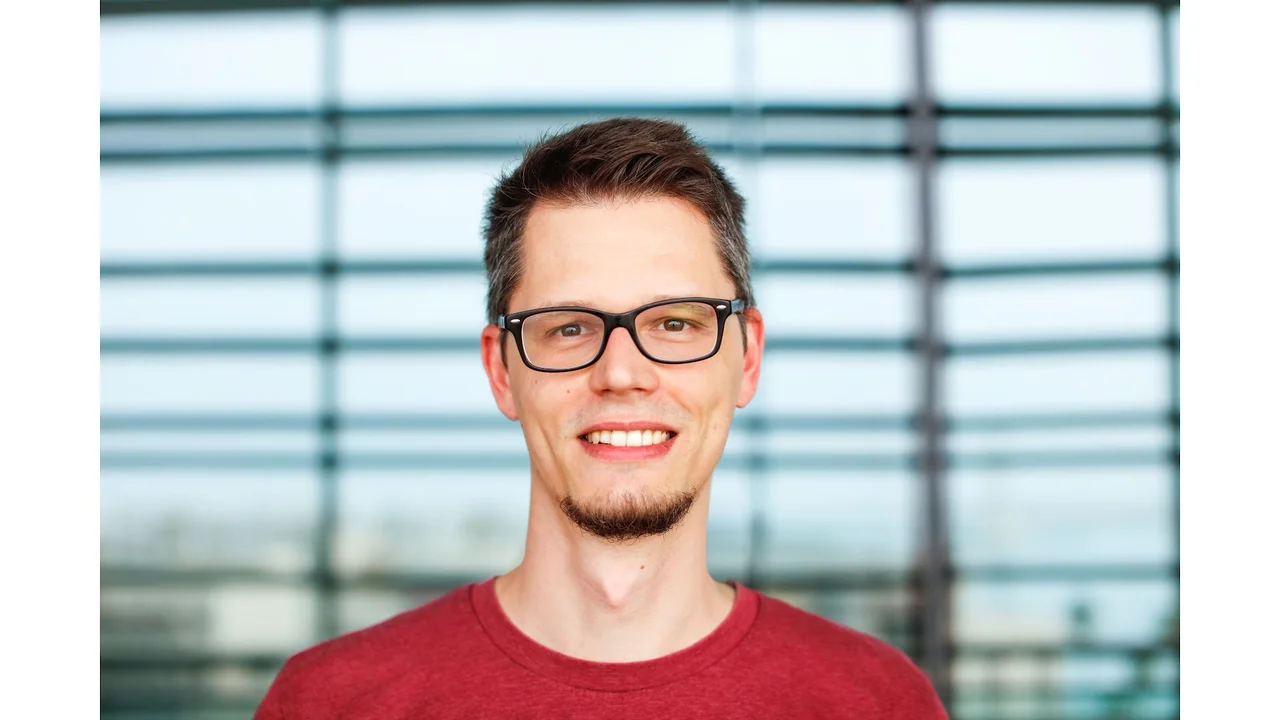
Thomas Hollt
- Postdoctoral Research Fellow, High Performance Visualization Group
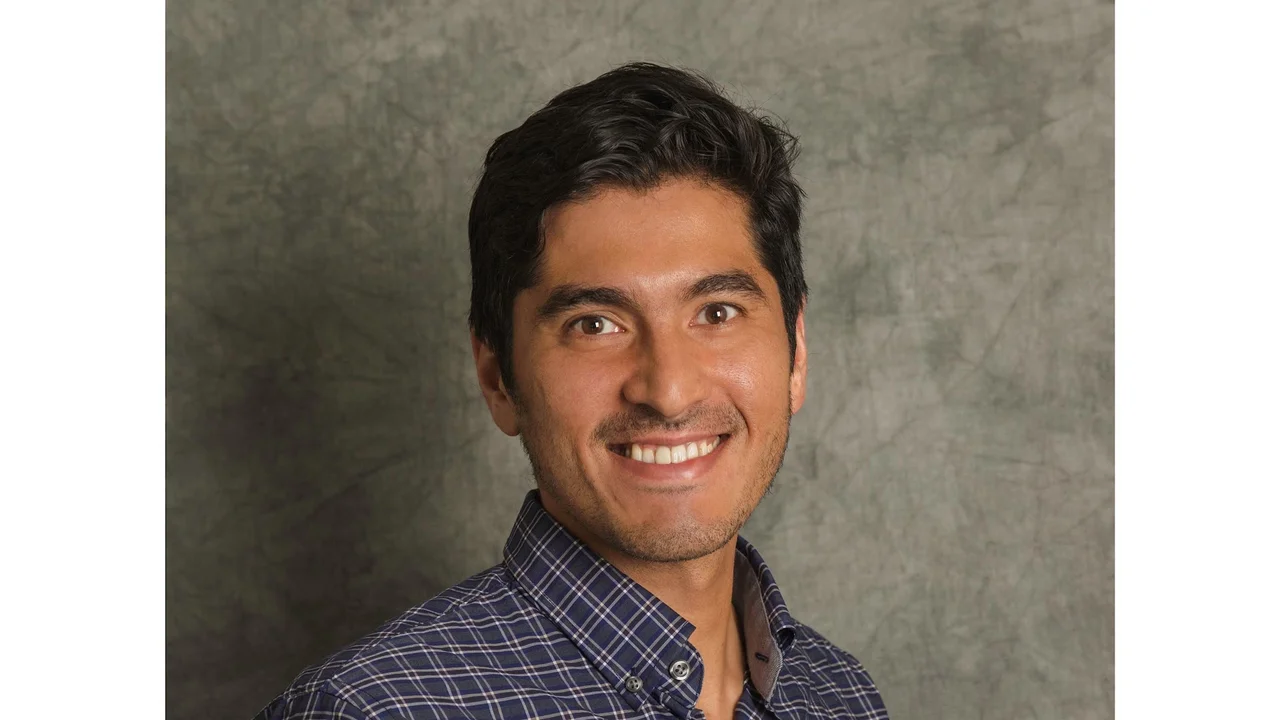
Yahya Bokhari
- Postdoctoral Research Fellow, Computer Science
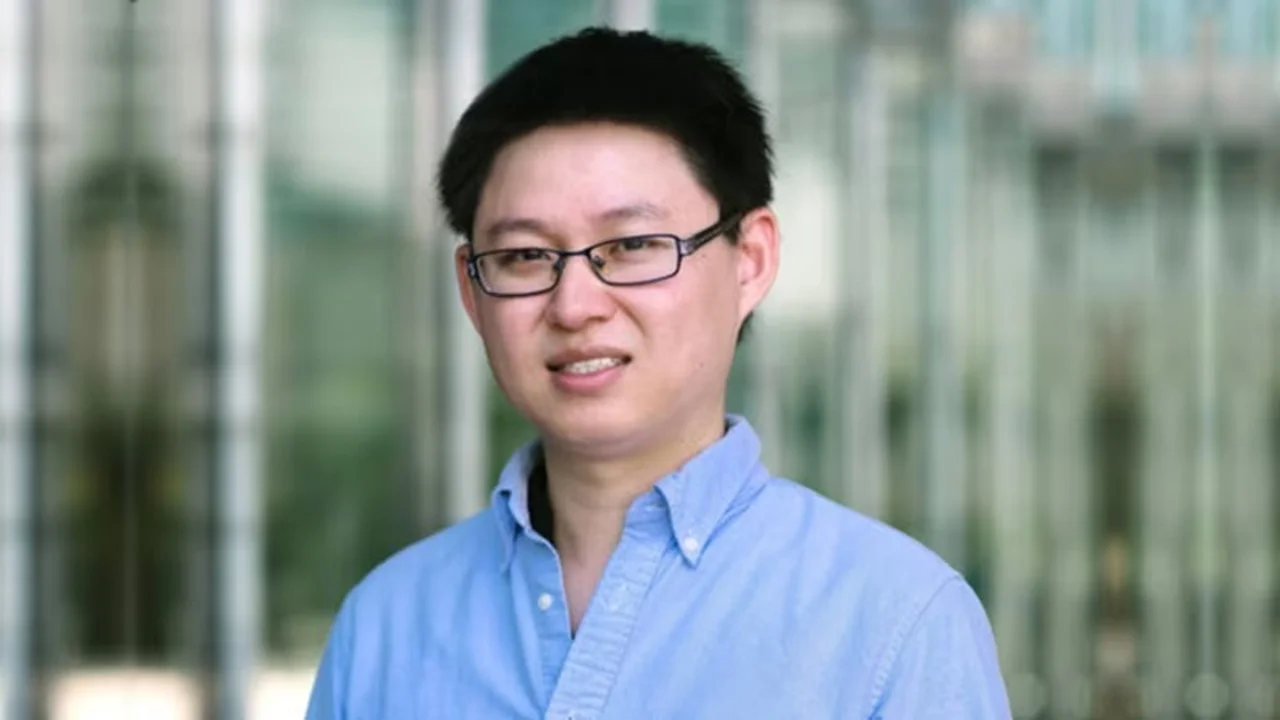
Yipeng Qin
- Postdoctoral Research Fellow, Computer Science
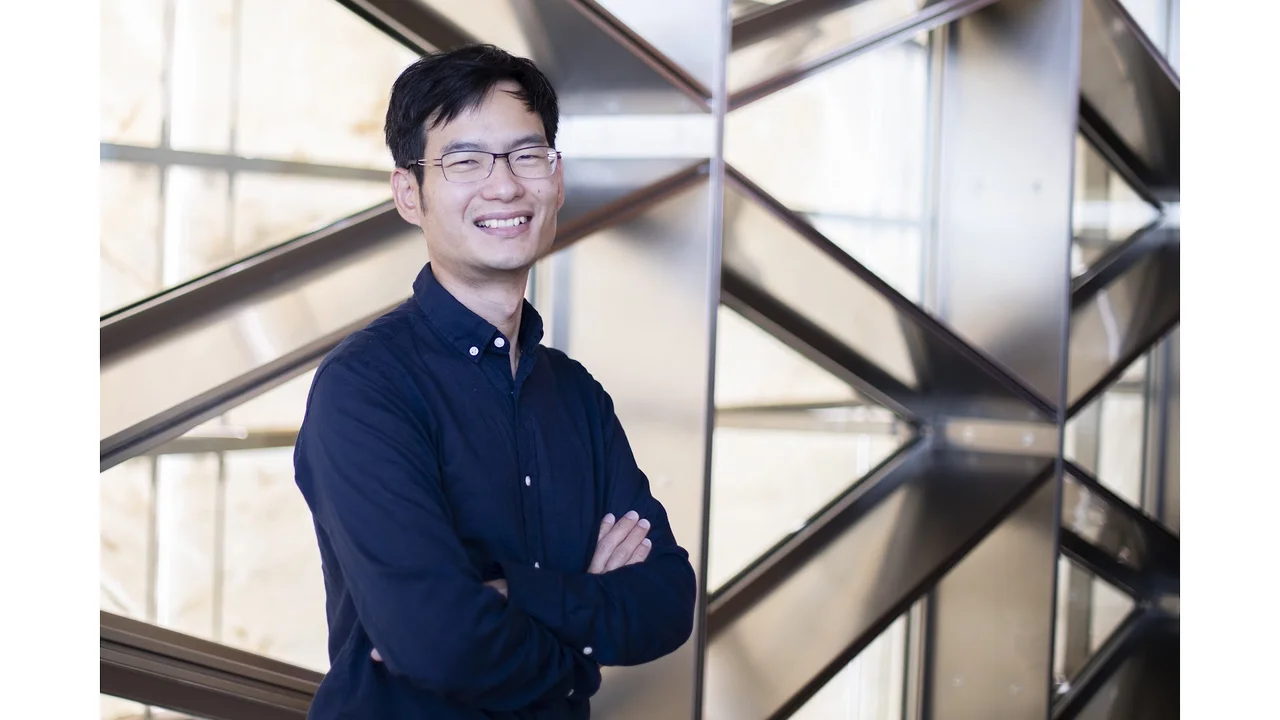
Yu-Chou Chiang
- Postdoctoral Research Fellow, Computer Science
Consultants
Visiting Scholars
Biography
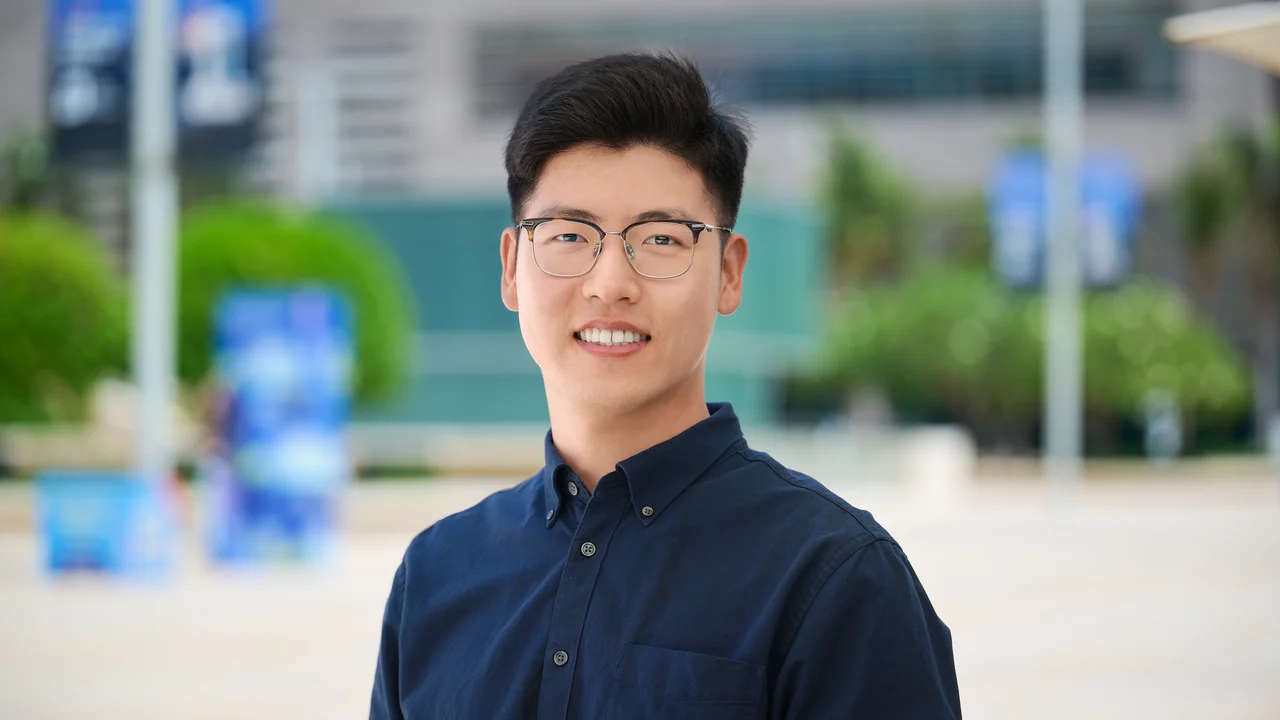
Haoyang Li is a Ph.D. candidate in Computer Science at King Abdullah University of Science and Technology (KAUST) supervised by Prof. Xin Gao. His research focuses on developing AI-driven methods to integrate multimodal biomedical data, spanning spatial multi-omics, histopathology, and single-cell genomics, with the goal of decoding spatial heterogeneity in diseases and advancing diagnosis, prognosis, and biomarker discovery for personalized therapies. His research has been published in prestigious journals and conferences such as Nature Machine Intelligence, Nature Communications, Science Advances, Bioinformatics, IEEE TMI, and MICCAI. One of his first-authored papers in Nature Communications is recognized as Editor’s Highlight and the 50 best papers in 'Biotechnology and methods'. In addition, Haoyang had two internships at Yale University and Stanford University as visiting student researcher in 2023 and 2024. He has served as a teaching assistant and guest lecturer for the Ministry of Interior in Saudi Arabia, Saudi Aramco, and KAUST. Currently, he serves as an editorial board member and a guest editor for Molecular & Cellular Biomechanics and Biomedical Informatics.
Expertise and Interests
Haoyang has a broad interest in developing AI models to address biological and healthcare problems. Recently, his research has focused on developing AI models for spatial biology, including spatial multi-omics, spatiotemporal omics, and pathological imaging, aimed at translational and clinical research.
Biography
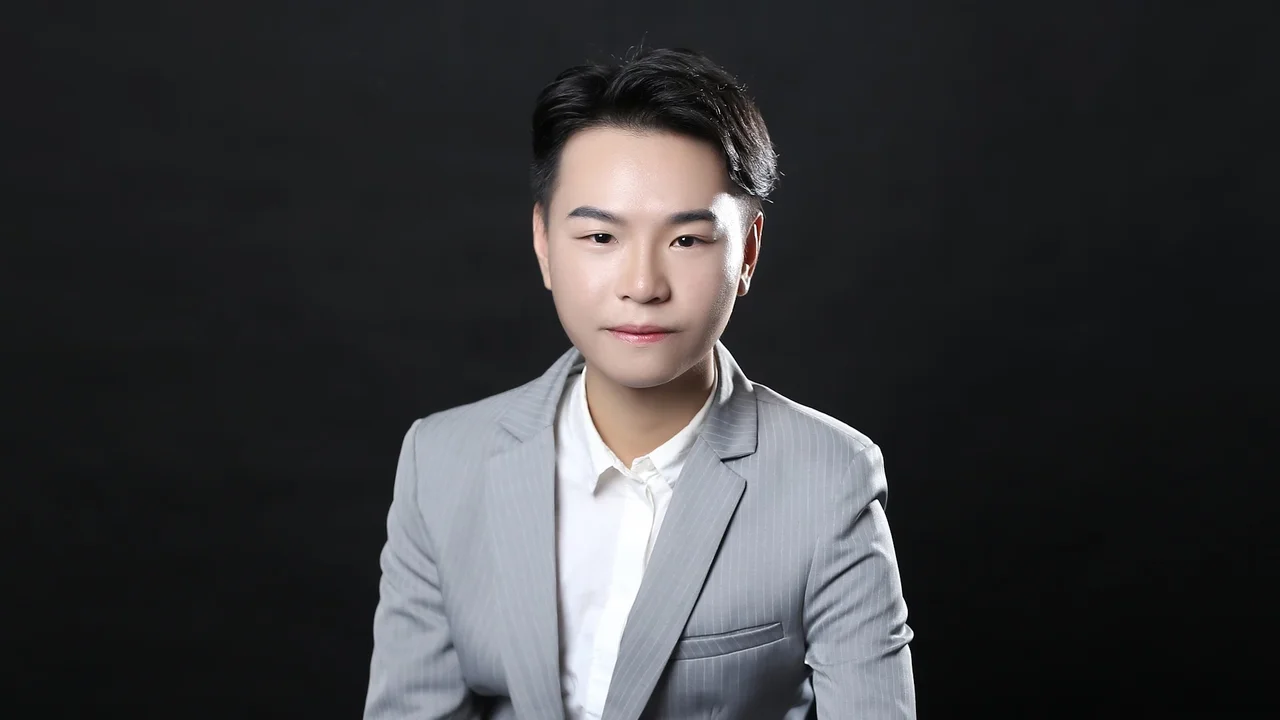
Juexiao Zhou is a PhD candidate at King Abdullah University of Science and Technology (KAUST), Saudi Arabia, under the supervision of Professor Xin Gao. He is also the co-founder and Chief AI Scientist at DermAssure.ai, MOSS.ai, and BeautyX.ai. His research lies at the intersection of computer science and biomedicine, with a primary focus on AI-driven intelligent healthcare, bioinformatics, and ethical and trustworthy AI in healthcare. Juexiao develops cutting-edge deep learning models and large language models (LLMs) to enable disease detection, prognosis, and risk assessment across clinical settings. In the domain of bioinformatics, he builds intelligent computational frameworks to decode gene regulatory networks, predict protein structure and function, and model complex biological systems. His recent research also explores curiosity-driven AI agents as autonomous scientific researchers. He is committed to advancing ethical AI in healthcare, tackling key challenges such as data privacy, bias, fairness, security, toxicity, and the broader implications of emerging Artificial General Intelligence (AGI) in clinical practice. Juexiao has authored over 30 publications in top-tier journals and conferences, including Science Advances, Nature Machine Intelligence, Nature Computational Science, Nature Communications, The Lancet, Genome Research, Trends in Genetics, Bioinformatics, IEEE TMI, and MICCAI. His work has been featured by major media outlets such as Arab News, Radio Television Hong Kong (RTHK), and Inside Precision Medicine. He is an active member of CAAI, APBioNET, and GBD. He serves as a reviewer for leading journals and conferences, including Nature, Nature Methods, Nature Communications, Medical Image Analysis, Genome Biology, Genome Research, NeurIPS, SIGKDD, and MICCAI. He is also an editorial board member of BMC Bioinformatics, a guest editor for Biomedical Informatics, and currently serves as co-chair of the IS-HIS 2025 Symposium at ICCNS 2025 in Varna, Bulgaria.
Expertise and Interests
- IngIntelligent Healthcare: develop machine learning (ML) / deep learning (DL) techniques for healthcare, including disease detection, risk assessment, etc.
- Bioinformatics: develop new methods for bioinformatics tasks, including gene regulation understanding, system biology, etc.
- Privacy and Security
- Artificial General Intelligence (AGI)
- Large Language Model (LLM)